
Multiple Sclerosis
MULTIPLE SCLEROSIS is an autoimmune disease of the central nervous system (CNS) characterized by chronic inflammation, demyelination, gliosis, and neuronal loss. It can affect movement, sensation, vision, thinking, mood and energy in different ways. Symptoms vary widely, so assessment and rehabilitation should be individual rather than based on a standard exercise list.
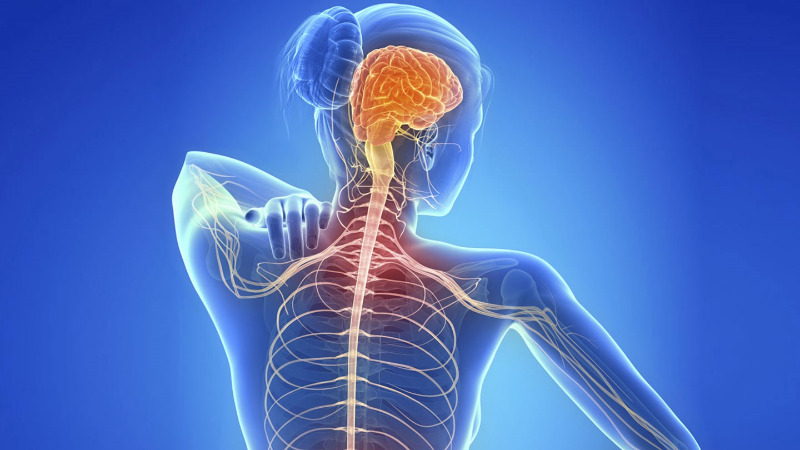
What is multiple sclerosis?
MS occurs when immune activity damages myelin, the protective covering around nerve fibres in the central nervous system. This can disrupt messages travelling between the brain, spinal cord and body. The exact pattern and impact differ between people, and symptoms may appear in relapses, remain stable for periods, or gradually change.
The World Health Organization notes that common effects can include vision problems, fatigue, difficulty walking or balancing, and numbness or weakness. These symptoms also occur in many other conditions, so they should not be used for self-diagnosis. A neurologist considers the clinical history, examination, imaging and other tests before confirming MS.
Common signs and functional needs
A person with confirmed MS may experience some, but not necessarily all, of the following:
- fatigue or reduced tolerance for usual activity;
- weakness, altered sensation, stiffness or muscle spasms;
- changes in balance, coordination, walking or transfers;
- blurred or double vision and other visual symptoms;
- pain or secondary strain affecting muscles and joints;
- difficulty with concentration, memory, bladder function or mood.
Symptoms can fluctuate. Heat, infection, poor sleep, stress and overexertion may make existing difficulties feel worse for some people. A new or significant change should be discussed with the person’s medical team rather than assumed to be “just MS”.
What a physiotherapy assessment may include
Physiotherapy usually begins by understanding the person’s current diagnosis, medical plan, recent changes, priorities and home or work demands. The assessment may look at strength, joint movement, muscle tone, balance, walking, transfers, fatigue response, falls risk, mobility aids and the activities that matter most to the person.

Assessment findings guide the level of support, exercise dose and need for referral. Depending on the situation, the physiotherapist may also discuss a walking aid, environmental changes or input from occupational therapy, speech therapy, continence services, psychology, rehabilitation medicine or neurology.
How physiotherapy may help
Movement, strength and everyday function
A tailored programme may include practising sit-to-stand, transfers, walking or other daily tasks; strengthening selected muscle groups; maintaining comfortable movement; and gradually building activity tolerance. The aim is not to push through every symptom. Intensity and rest should reflect current function, fatigue, heat sensitivity, relapse status and medical advice.

Balance, walking and falls risk
Where appropriate, treatment may include supported standing, balance tasks, gait practice and advice on mobility equipment. The physiotherapist should choose tasks that are challenging enough to be useful but controlled enough to reduce unnecessary risk. Family or caregiver training may be relevant when hands-on assistance is needed at home.

Fatigue management and pacing
Fatigue is more than ordinary tiredness and may affect work, self-care and participation. Physiotherapy can contribute to a wider fatigue-management plan by helping the person identify demanding tasks, plan rest, prioritise activities, modify the environment and build exercise gradually. NICE recommends coordinated multidisciplinary management because fatigue may also be affected by sleep, pain, mood, medication and other health issues.

Safe practical guidance
- Follow the neurologist’s medical plan and tell the rehabilitation team about recent relapses, infections, falls or medication changes.
- Use a clear space and the prescribed mobility aid for home practice.
- Break demanding tasks into smaller steps and allow recovery time.
- Stop and seek advice if an activity causes marked or persistent worsening, chest pain, fainting, severe breathlessness or a new neurological symptom.
- Avoid copying advanced exercises online; the right starting point depends on strength, balance, sensation, fatigue and medical status.
Frequently asked questions
Can physiotherapy cure multiple sclerosis?
No. There is currently no cure for MS. Physiotherapy focuses on function, movement, symptom management and participation, while neurologists and the wider medical team manage diagnosis, relapses and disease-modifying treatment.
Is exercise safe for everyone with MS?
Many people can benefit from appropriately selected activity, but the type, dose and supervision should be individualised. A new relapse, infection, recent fall, severe fatigue, unstable medical condition or major change in function may require medical review or modification first.
Can sessions be done at home?
Home physiotherapy may be suitable when travel is difficult or household tasks and caregiver support need to be assessed in the real environment. Suitability, coverage and therapist availability should be confirmed during booking.
Discuss a physiotherapy assessment
If you have a confirmed MS diagnosis and want help with mobility, balance, strength, fatigue-aware activity or daily function, Physiomobile can first review your location, goals and current medical status. Booking does not replace neurological follow-up, and an assessment does not guarantee a particular outcome.
Clinical information sources
- World Health Organization: Multiple sclerosis
- NHS: Multiple sclerosis, symptoms and support
- NICE NG220: Multiple sclerosis in adults, management
Healthcare disclaimer: This page provides general education, not a diagnosis or an individual treatment plan. Consult a qualified healthcare professional who can assess your symptoms, medical history and current MS management.
