Trigger finger is a common condition that affects finger movement, causing difficulty in fully bending or straightening the finger. It occurs when the tendons responsible for finger movement become inflamed or trapped within the tendon sheath, often leading to the finger locking in a bent or straightened position. While it can affect any finger, the thumb and ring finger are commonly involved. Without proper management, trigger finger can interfere with daily activities and significantly reduce hand functionality.
Physiotherapy is a highly effective treatment method for trigger finger, aiming to relieve pain, restore mobility, and strengthen finger function. Physiomobile offers specialized physiotherapy services designed to address these concerns, combining manual therapy, exercise regimens, and personalized care to help patients regain normal hand function efficiently.
Understanding the Physiotherapy Approach for Trigger Finger
The primary objective of physiotherapy is to restore smooth tendon movement and relieve discomfort in the affected finger. The treatment addresses both the inflamed tendon and the surrounding muscles, aiming to improve flexibility, strength, and coordination. Physiomobile emphasizes manual therapy as a core component, which helps reduce inflammation, improve tendon glide, and restore joint mobility.
Initial Assessment
Every physiotherapy program at Physiomobile begins with a thorough assessment. This step is crucial to understand the severity of the trigger finger and develop an individualized treatment plan. Physiotherapists assess finger strength, flexibility, tendon movement, hand coordination, and overall function during daily tasks. Using palpation techniques, they identify areas of inflammation or tenderness. This comprehensive evaluation ensures that the therapy plan is tailored to each patient’s unique condition and functional requirements.
Manual Therapy
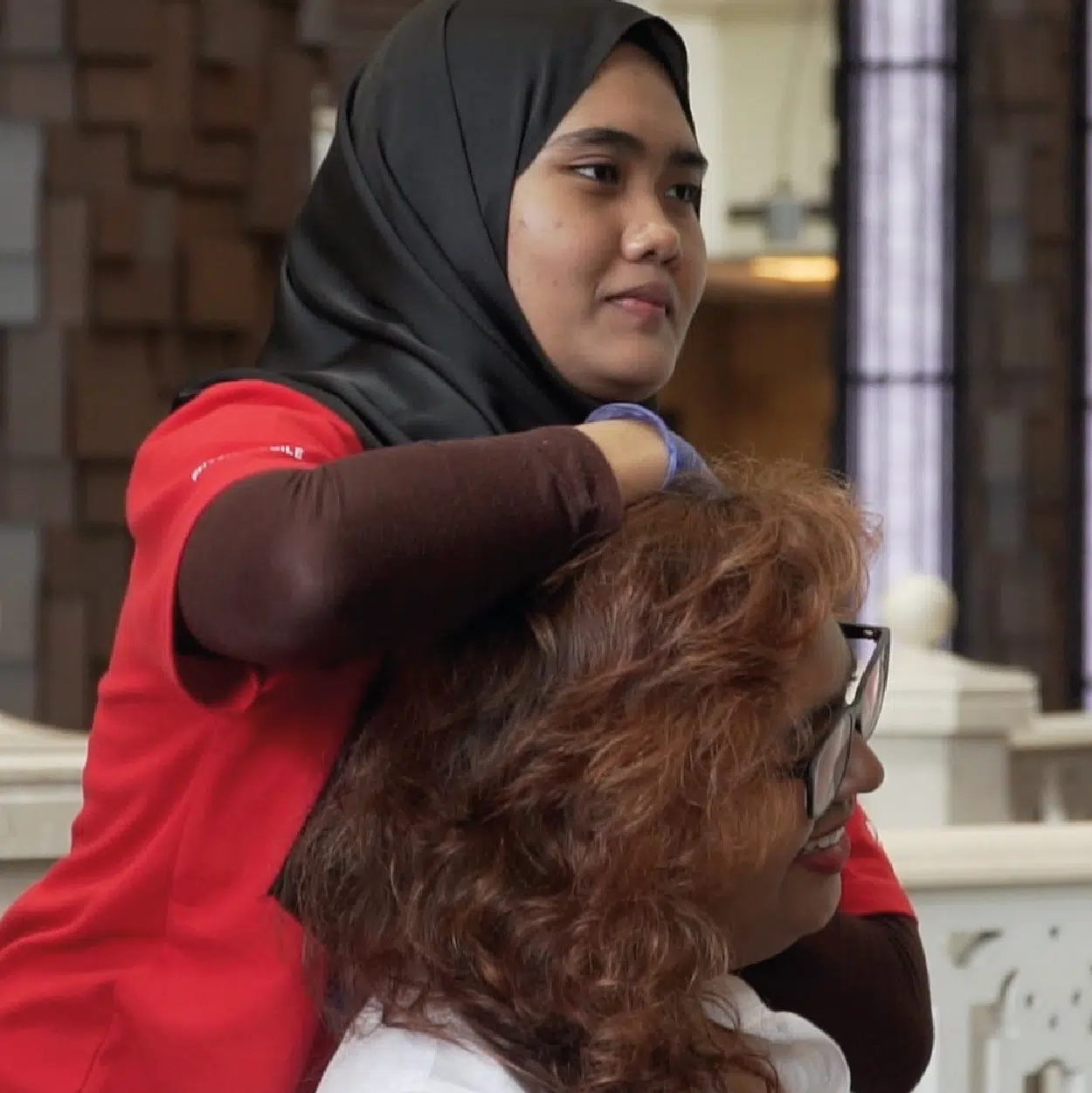
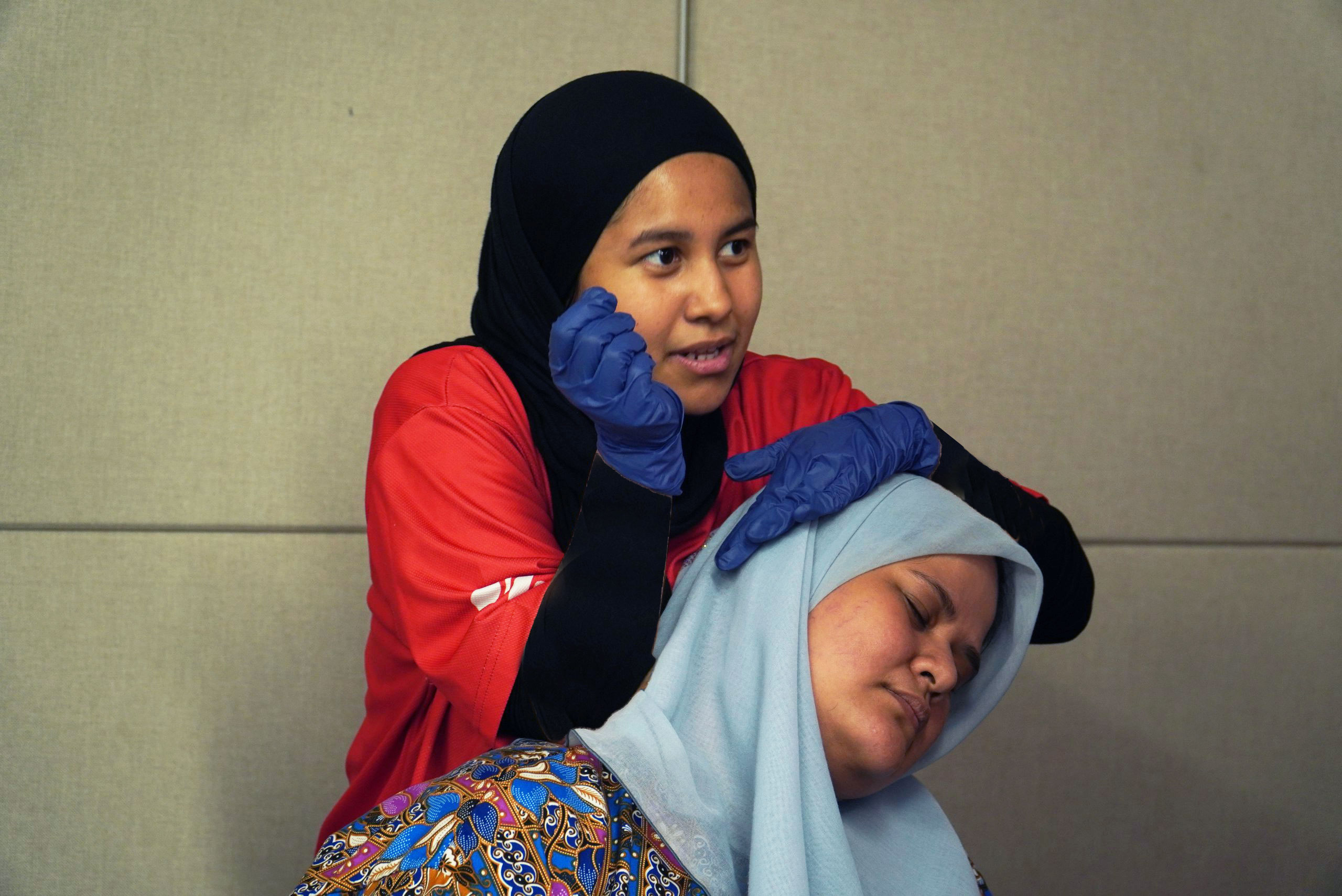
Manual therapy is central to Physiomobile’ s approach in managing trigger finger. Gentle massage techniques are applied directly to the tendon and surrounding tissue to reduce inflammation and relieve discomfort. Mobilization of the finger joints and tendon stretching helps restore normal movement, ensuring the tendon can glide freely within its sheath.
Specific manual therapy techniques may include:
- Tendon gliding exercises: These involve precise finger movements to encourage the tendon to move smoothly and reduce locking.
- Soft tissue mobilization: Targeted massage and stretching of the surrounding muscles to reduce tension and improve flexibility.
- Joint mobilization: Gentle manipulation of the finger joints to enhance range of motion and prevent stiffness.
This combination of techniques addresses both the underlying tendon inflammation and the secondary effects, such as tightness in the hand muscles or restricted joint movement.
Targeted Finger and Hand Exercises
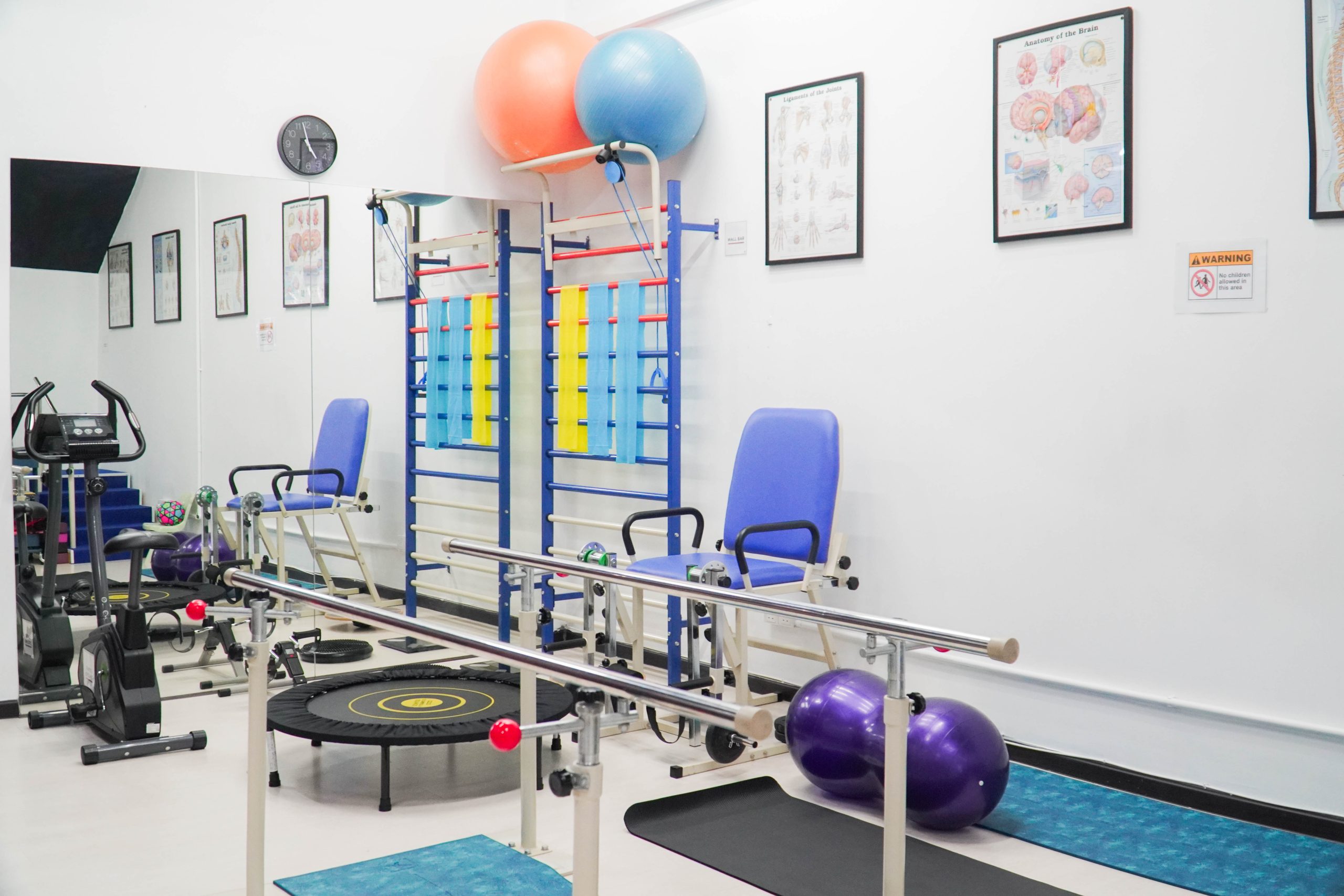
In addition to manual therapy, a structured exercise program is critical to recovery. Exercises are designed to improve tendon function, increase grip strength, and enhance finger coordination. Patients may perform both active and passive movements, gradually progressing to more complex tasks.
Examples of exercises include:
- Finger flexion and extension: Slowly bending and straightening the finger to encourage tendon mobility.
- Grip strengthening exercises: Using therapy balls or soft putty to build strength in the hand and fingers.
- Individual finger lifts: Practicing lifting one finger at a time to improve control and dexterity.
- Tendon stretching exercises: Gentle stretches that elongate the tendon and reduce tightness.
Physiomobile ensures that all exercises are tailored to each patient’s ability, preventing strain while encouraging optimal recovery.
Supportive Devices
Some patients may benefit from splints or finger supports, especially if the trigger finger locks frequently or causes significant discomfort. These devices help maintain the finger in an appropriate position and reduce stress on the tendon. Physiomobile evaluates the necessity for splints and provides guidance on their proper use, integrating them into the therapy plan for maximum benefit.
Home Recovery and Daily Management
Recovery does not only occur during physiotherapy sessions. Daily management plays a vital role in restoring function and preventing recurrence. Patients are encouraged to perform specific exercises at home, avoid repetitive strain on the affected finger, and maintain proper hand posture during activities like typing, writing, or lifting objects.
Regular stretching and gentle movement prevent tendon stiffness, while supportive tools help reduce pressure on the inflamed tendon. By following a consistent home routine alongside clinic-based physiotherapy, patients can achieve faster recovery and long-term improvement.
Session Structure and Duration
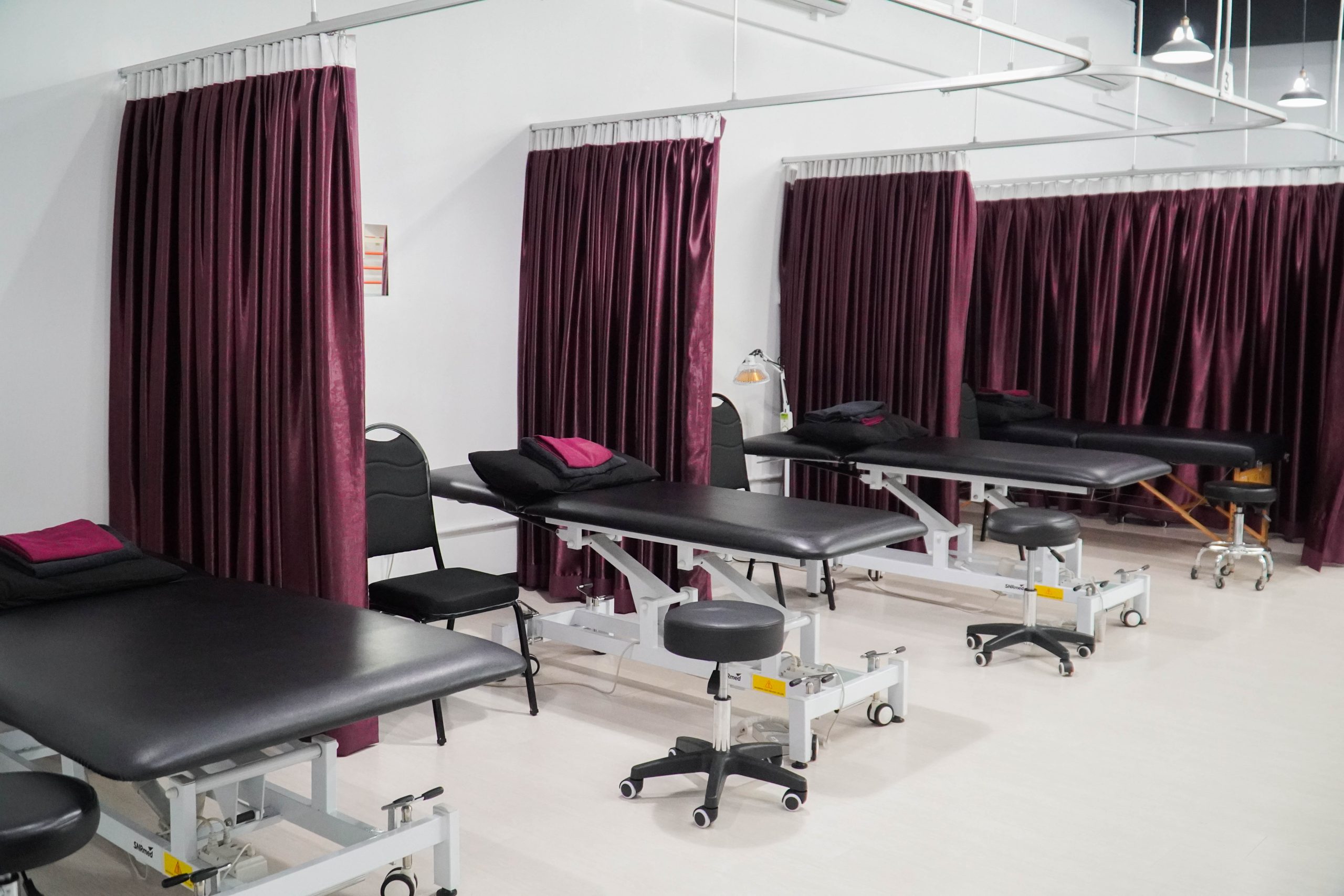
Physiotherapy sessions for trigger finger generally last between 40 and 60 minutes, depending on the complexity of the condition. At Physiomobile, the sessions include a combination of manual therapy, exercises, and monitoring progress. Patients have the option of receiving treatment at the clinic or at home through the house call service, providing flexibility and convenience without compromising quality.
Benefits of Choosing Physiomobile
Physiomobile offers a highly individualized approach to treating trigger finger. Their manual therapy techniques are effective in relieving pain, restoring mobility, and preventing long-term complications. Patients benefit from personalized exercise programs, ongoing progress assessments, and treatment adjustments based on response and recovery rate.
With multiple branches across Malaysia and mobile services, patients can access high-quality physiotherapy regardless of location. In addition, Physiomobile caters to sports enthusiasts and corporate clients, offering specialized programs that promote overall wellness and physical performance. Their extensive experience in treating musculoskeletal injuries, neurological disorders, post-surgery rehabilitation, and chronic pain make them a trusted provider for managing trigger finger.
Detailed Manual Therapy Techniques
Manual therapy at Physiomobile for trigger finger involves precise, hands-on techniques. Therapists use gentle pressure and massage to reduce tendon inflammation and enhance blood flow. Tendon gliding exercises are incorporated to ensure smooth motion and prevent locking. Mobilization of finger joints is performed carefully to expand the range of motion without causing strain. This targeted approach addresses both the pain and the underlying mechanical dysfunction that leads to trigger finger.
Exercise Routine for Maximum Recovery
Patients are guided through a progressive exercise routine designed to restore function gradually. Starting with simple finger flexion and extension movements, advance exercises to strengthening grip and coordination drills. Therapy balls, putty, and other hand tools are often incorporated to increase resistance and build strength. By combining mobility and strength exercises, patients improve tendon resilience and hand dexterity, which is essential for daily activities.
Daily practice of these exercises, combined with professional guidance from Physiomobile, ensures that recovery is steady and sustainable.
Long-Term Benefits
By choosing Physiomobile for trigger finger treatment, patients experience more than just temporary relief. The therapy improves tendon health, strengthens hand muscles, and enhances overall finger coordination. With continuous monitoring and adjustments to the therapy plan, patients can prevent recurrence and maintain hand functionality over the long term.
Moreover, the experience and professionalism of Physiomobile ensure that each patient receives individualized care that aligns with their lifestyle and activity levels, making the recovery process efficient and safe.
Commitment to Quality Care
Physiomobile has successfully helped over 44,671 patients recover using their specialized manual therapy techniques. They prioritize patient comfort, functional improvement, and measurable results. Whether through in-clinic sessions or house call services, patients receive consistent, high-quality care. Their comprehensive approach, from assessment to advanced therapy techniques, positions Physiomobile as a leader in managing trigger finger and other musculoskeletal conditions.
Conclusion
Trigger finger can significantly impact daily life, but it is manageable with proper physiotherapy. By focusing on manual therapy, individualized exercises, supportive devices, and ongoing monitoring, patients can regain finger mobility, reduce pain, and improve hand function. Recovery is enhanced when professional treatment is combined with consistent home management.
For effective and professional physiotherapy treatment for trigger finger, visit Physiomobile. Start your journey to pain-free finger movement and regain the ability to perform daily tasks comfortably with expert care tailored to your needs.