
Videos
Use this video library to learn about common movement concerns, rehabilitation questions and what physiotherapy support may involve. The videos are educational starting points, not personalised exercise prescriptions. If symptoms are persistent, worsening or affecting daily activities, an assessment can help clarify what is suitable and what should be referred for medical review.
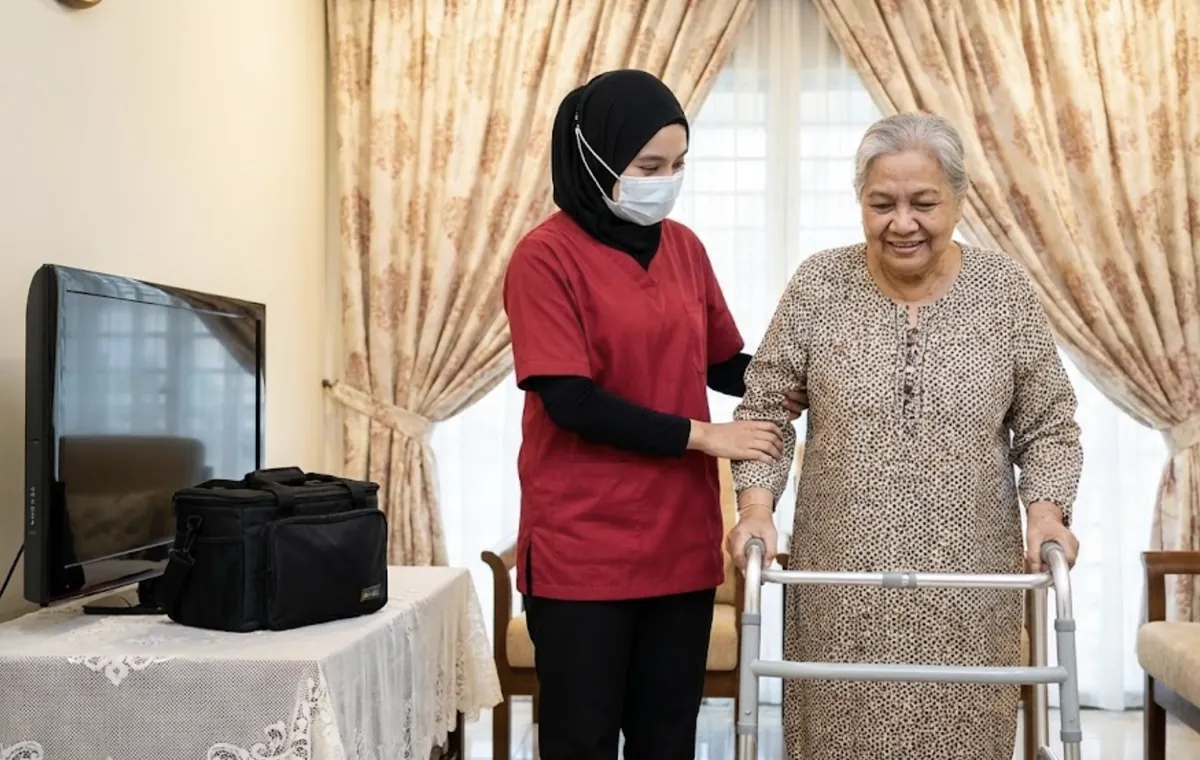
Exercise tips for common pain and movement concerns
These short videos introduce topics such as back pain, neck discomfort and general movement practice. They can help you understand terminology and prepare questions for an assessment. They do not confirm that a symptom is caused by a “slipped disc”, sciatica or another condition, and they should not be used to self-diagnose.
Back-pain exercise introduction
General movement ideas for viewers exploring back-pain education.
Neck pain: tips and exercise
Questions to consider before choosing or progressing an activity.
Six back-pain exercise tips
A brief overview; stop and seek advice if symptoms worsen or spread.
For more context, read our guides to slipped disc symptoms and red flags and choosing between centre and home physiotherapy.
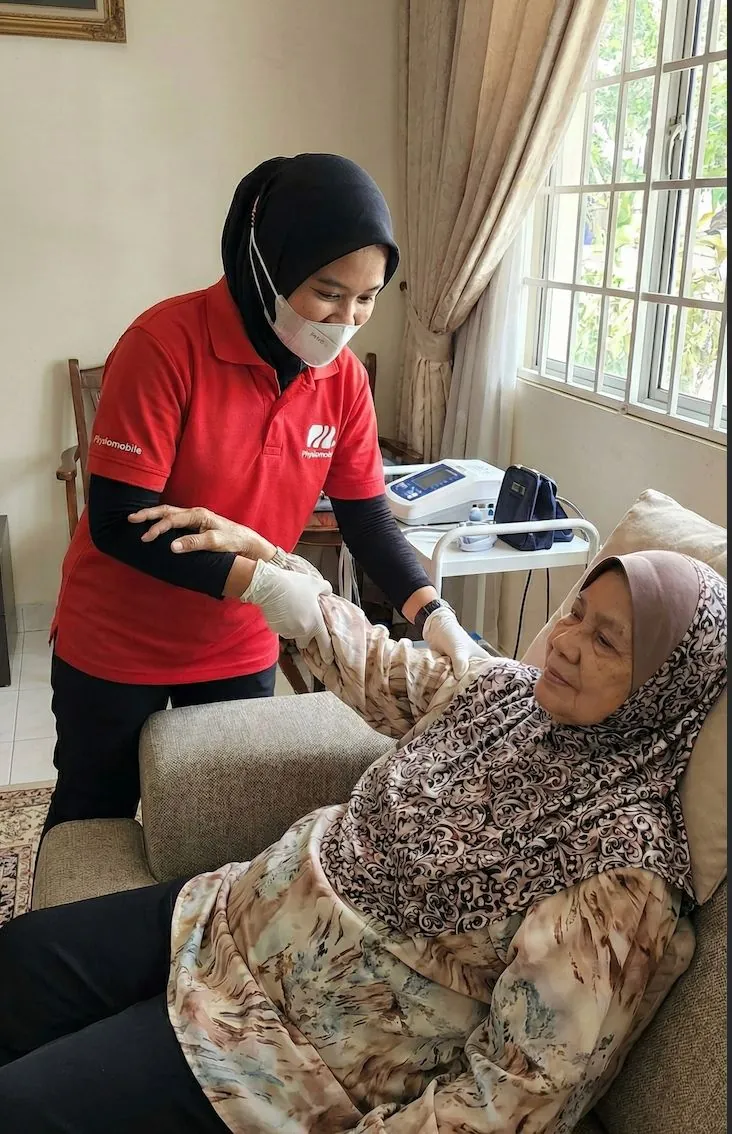
Client stories: useful context, not a recovery promise
Individual stories can show how people experienced rehabilitation, but results vary. A testimonial cannot predict your diagnosis, treatment plan, number of sessions or outcome. Use these videos to understand the questions people asked, the barriers they faced and how they approached rehabilitation, then discuss your own goals with a qualified professional.
Living with severe back symptoms
One client’s account; not evidence of a guaranteed result.
Rehabilitation after an accident
A personal journey that does not replace medical clearance or assessment.
Home physiotherapy experience
A client perspective; suitability and availability differ by person and location.

Longer educational discussions
These videos explore sciatica, stroke care at home and common questions about stroke recovery. Stroke rehabilitation is multidisciplinary, and physiotherapy is only one possible component. Speech, swallowing, cognition, occupational performance, nursing and medical needs may require other professionals. A video must never delay urgent assessment for new neurological symptoms.
Sciatica discussion
Educational discussion about symptoms often described as sciatica.
Stroke care at home
General caregiver education; the individual care plan remains authoritative.
Questions about stroke recovery
Recovery differs widely; no video can promise a particular outcome.
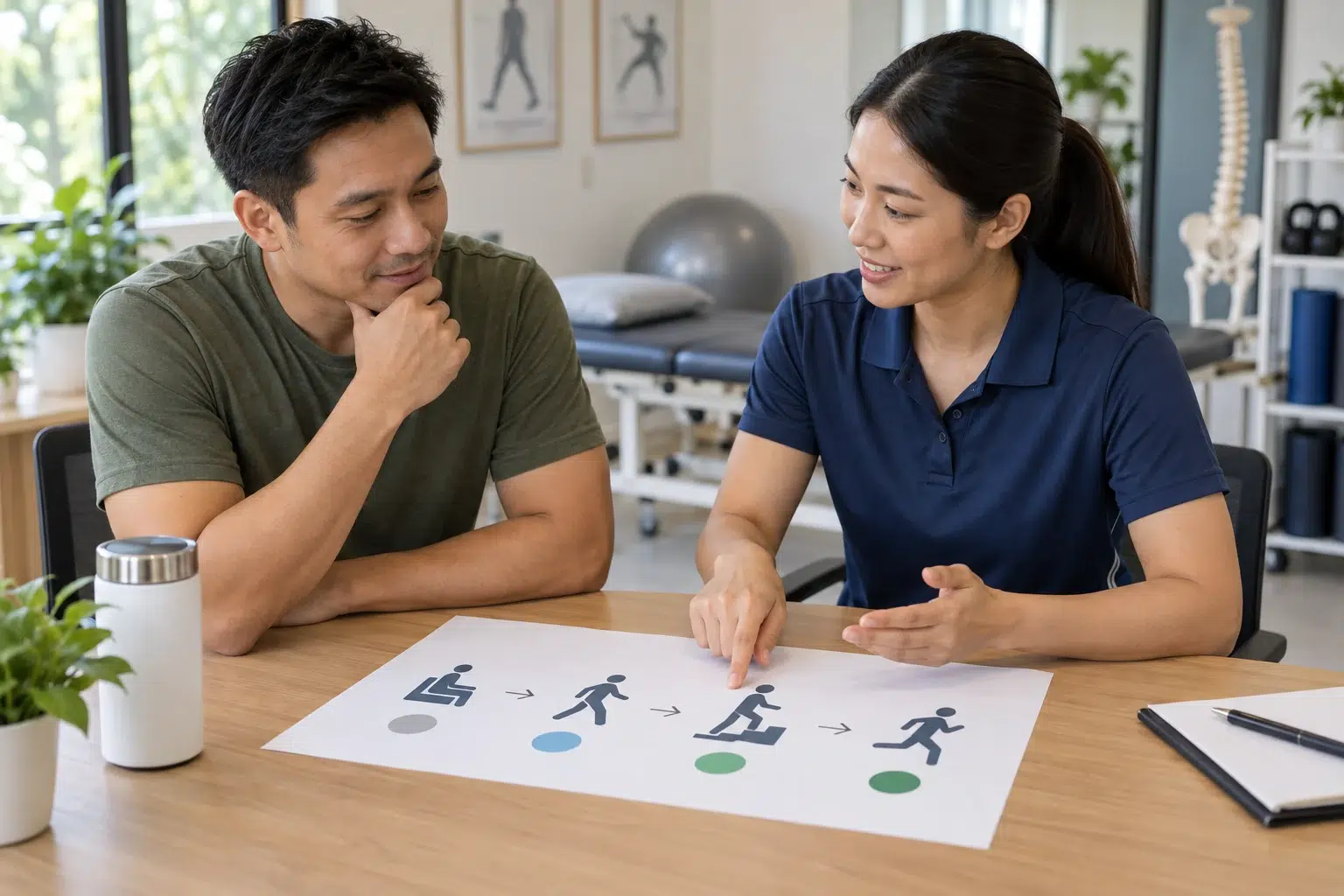
What to expect from a physiotherapy assessment
An assessment usually starts with your main concern, medical history, recent changes, daily activities and goals. The physiotherapist may observe movement, strength, balance or functional tasks where appropriate. The purpose is to identify what can be addressed safely, what needs modification and whether referral or medical clearance is required. Bring relevant reports, a current medication list and details of recent falls, surgery or hospital treatment.
- Choose a quiet space and wear clothing that allows safe movement.
- Tell the physiotherapist about symptoms that are new, worsening or different.
- Ask what the activity is intended to achieve and what signs mean you should stop.
- If a caregiver assists, ensure the method and level of support have been demonstrated.
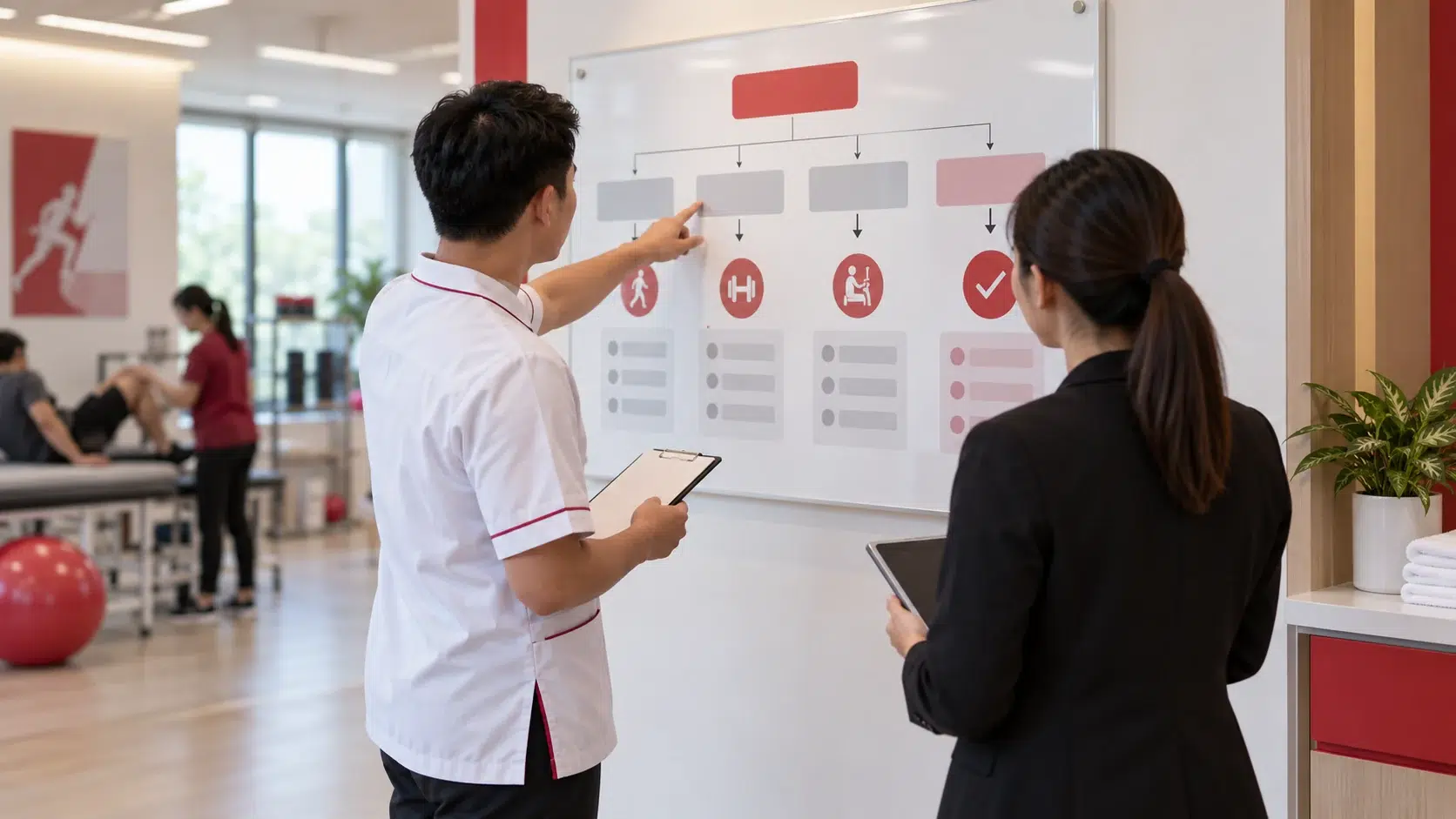
When to contact Physiomobile
If symptoms are increasingly affecting daily activities, mobility, confidence or caregiver demands, an early assessment may help clarify suitability, reduce uncertainty and plan the next step. Home or centre appointment slots depend on therapist availability, location and preferred time, so booking earlier can make it easier to secure a suitable slot.
Frequently asked questions
Can I follow every exercise shown in these videos?
No. The videos provide general education. Suitability depends on your symptoms, health history, balance, diagnosis and current function. Ask a qualified clinician when uncertain.
Do the client stories show what result I will get?
No. Testimonials describe individual experiences. They do not guarantee recovery, timing, session numbers or the same outcome for another person.
Is home or centre physiotherapy better?
Neither setting is always better. Home sessions may help with real household tasks or travel barriers, while a centre may provide a controlled environment and equipment. Assessment, goals and availability guide the choice.
Should I wait until symptoms become severe?
If symptoms are persistent, worsening or disrupting activity, earlier assessment can clarify what is safe and whether another healthcare professional should be involved.
More Physiomobile videos: exercise tips, client stories, and educational discussions.
This page is for general education and is not a diagnosis, personalised treatment plan or substitute for medical care. Physiotherapy may help when appropriate after assessment; it does not replace emergency care, medical review, surgery or medication management when these are required.
