Frozen shoulder, also known as adhesive capsulitis, is a condition where the shoulder becomes painful, stiff, and difficult to move. In 2026, many Malaysians continue to search for safe treatment options for shoulder stiffness, especially when daily activities such as wearing clothes, reaching overhead, washing hair, or sleeping on one side become difficult.

Physiotherapy is commonly used as a conservative treatment option to help manage pain, improve shoulder movement, and support gradual recovery.
This article explains what frozen shoulder is, how physiotherapy may help, and when you should seek professional assessment.
What Is Frozen Shoulder?

Frozen shoulder happens when the shoulder joint capsule becomes tight and restricted. This may cause pain and reduced range of motion.
Common symptoms include:
- Shoulder pain during movement
- Difficulty lifting the arm
- Stiffness when reaching behind the back
- Pain when sleeping on the affected side
- Reduced ability to perform daily activities
- Slow and gradual loss of shoulder movement
Frozen shoulder is more commonly seen in adults aged 40–60. It may also be associated with diabetes, thyroid conditions, previous shoulder injury, surgery, or prolonged reduced shoulder movement.
Frozen Shoulder Symptoms in 2026: When Should You Be Concerned?
You may want to seek assessment if your shoulder stiffness affects:
- Wearing clothes
- Driving
- Reaching overhead
- Bathing or washing hair
- Sleeping comfortably
- Carrying items
- Working at a desk or computer
If symptoms are worsening or lasting more than a few weeks, professional assessment can help identify suitable next steps.
Stages of Frozen Shoulder

Frozen shoulder often develops gradually and may go through several stages.
1. Freezing Stage
This stage is usually painful. Shoulder movement becomes increasingly limited, and pain may be worse at night.
2. Frozen Stage
Pain may reduce slightly, but stiffness becomes the main problem. Daily tasks such as dressing, driving, or reaching overhead can become difficult.
3. Thawing Stage
Movement slowly improves over time. Recovery can take months, and some patients may still experience stiffness without proper management.
Can Physiotherapy Help Frozen Shoulder?

Physiotherapy may help by improving shoulder mobility, reducing stiffness, and guiding safe exercises based on the patient’s stage and pain level.
A physiotherapist may assist with:
- Shoulder range-of-motion exercises
- Gentle stretching
- Joint mobilisation techniques
- Strengthening exercises when appropriate
- Posture and movement correction
- Pain management strategies
- Home exercise guidance
The goal is not to force the shoulder aggressively, but to gradually restore movement in a safe and controlled way.
Frozen Shoulder Physiotherapy Exercises Malaysia 2026
Many people search online for frozen shoulder exercises at home. Common exercise types may include:
- Pendulum exercises
- Assisted shoulder flexion
- Shoulder external rotation stretches
- Wall walking exercises
- Towel-assisted stretching
- Gentle scapular control exercises
However, exercises should be selected based on the individual’s condition. Some exercises may not be suitable during the painful stage.
If exercise causes sharp pain, worsening night pain, numbness, or significant discomfort, stop and seek professional advice.
Why You Should Not Force Frozen Shoulder Exercises
Pushing too hard can irritate the shoulder and increase pain. Frozen shoulder treatment should depend on:
- Current pain level
- Stage of frozen shoulder
- Shoulder movement limitation
- Medical history
- Daily activity needs
- Other shoulder conditions
A physiotherapy assessment helps determine which exercises are appropriate and how much movement is safe.
Frozen Shoulder Treatment Without Surgery in Malaysia 2026
Many frozen shoulder cases are managed conservatively. Non-surgical options may include:
- Physiotherapy
- Doctor-prescribed medication for pain or inflammation
- Guided home exercises
- Activity modification
- Medical review if symptoms are severe or persistent
Physiotherapy does not replace medical care. If symptoms are severe, worsening, or linked to other medical conditions, a doctor’s assessment may be required.
Frozen Shoulder Treatment at Centre or Home
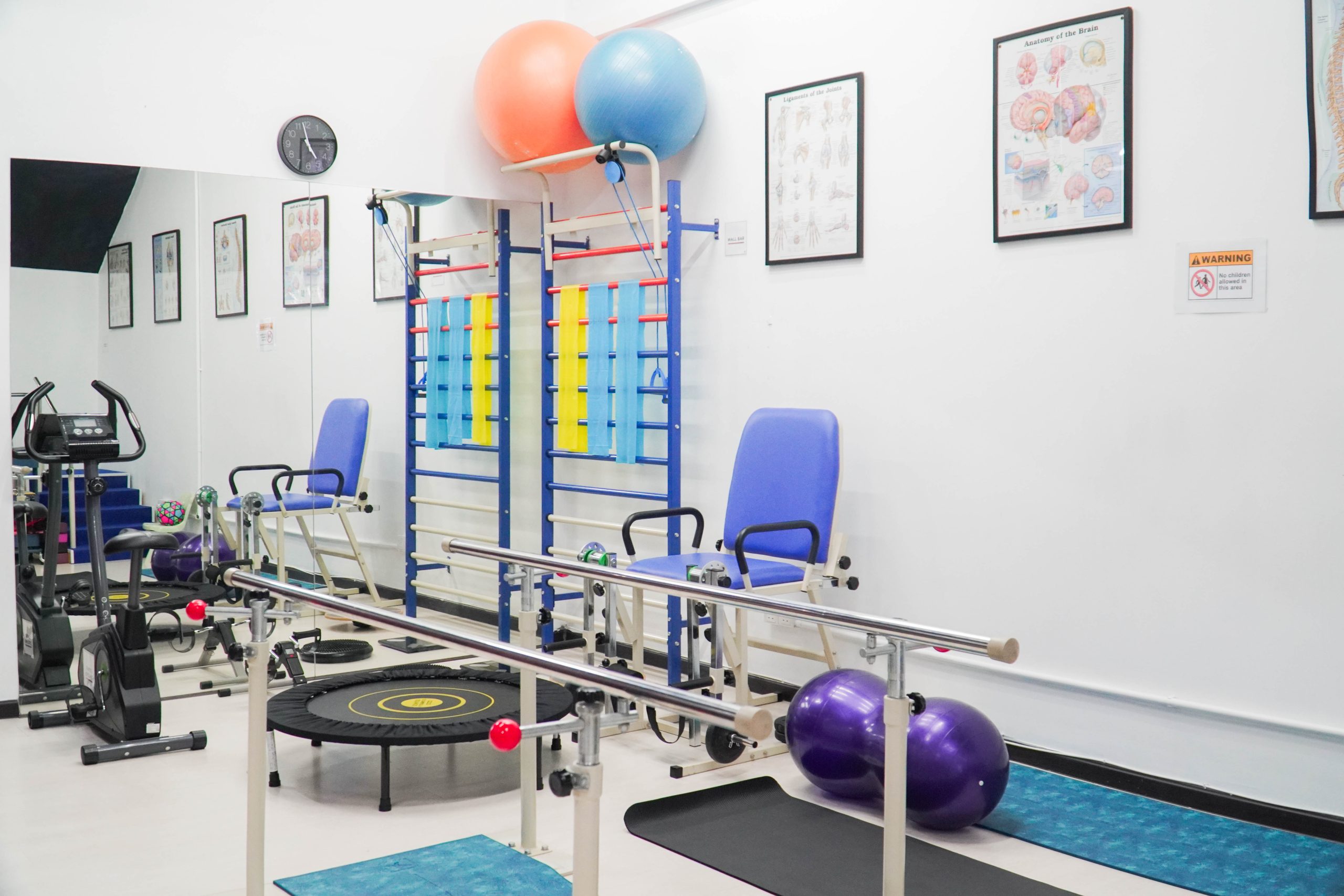
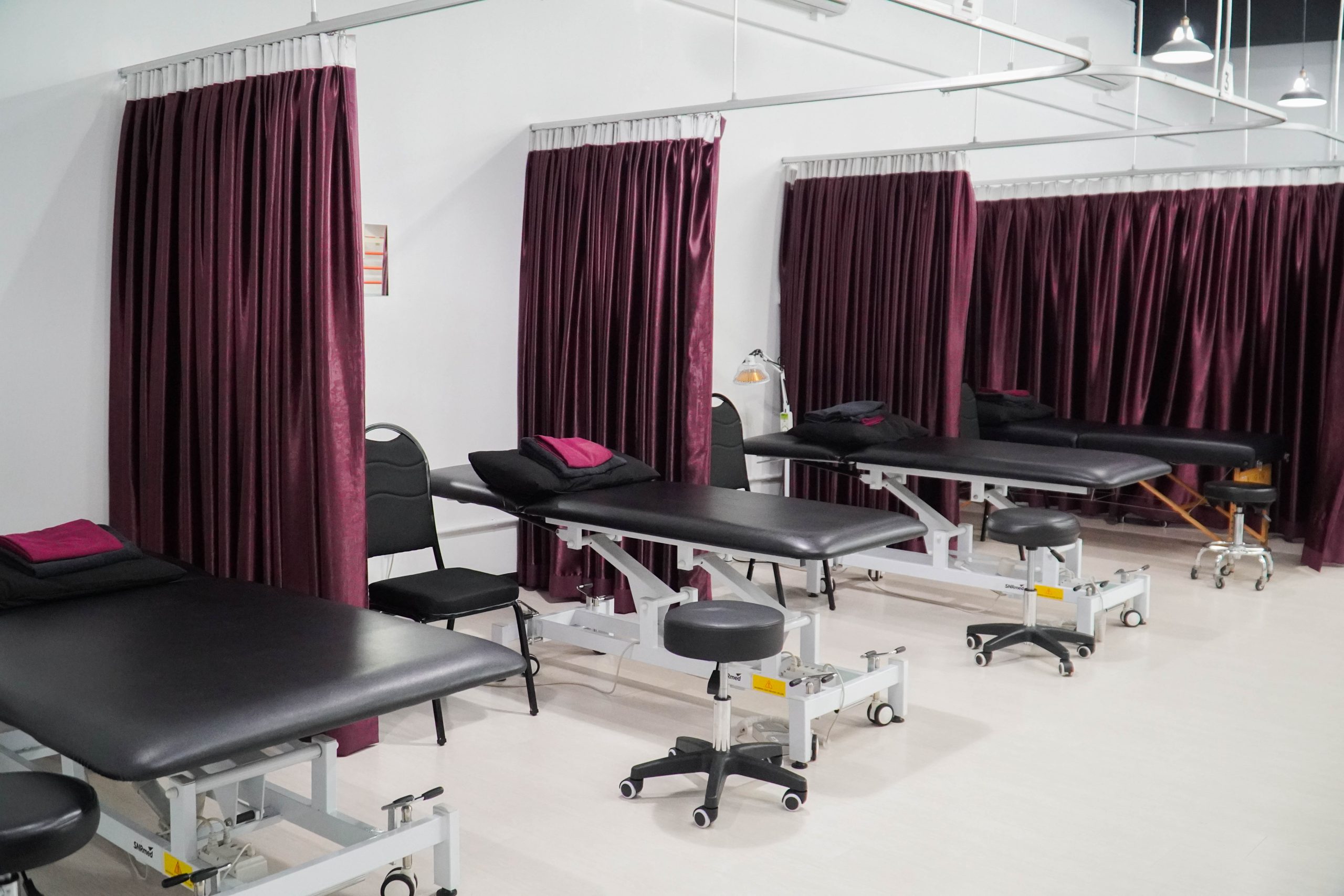
At Physiomobile, patients may enquire about physiotherapy options depending on their location, mobility, and preference.
Some patients prefer centre-based physiotherapy. Others may prefer home physiotherapy if travelling is difficult due to pain, age, mobility limitations, or convenience.
A proper assessment helps determine the suitable treatment approach.
How Long Does Frozen Shoulder Take to Recover?
Recovery time varies. Some people improve within months, while others may take longer. Factors that may affect recovery include:
- Age
- Diabetes or thyroid conditions
- Severity of stiffness
- Pain level
- Activity demands
- Consistency with treatment and home exercises
Physiotherapy does not guarantee instant recovery, but it may help patients manage symptoms and improve function gradually.
When Should You Seek Medical Attention?
Seek medical advice promptly if you experience:
- Sudden severe shoulder pain after trauma
- Shoulder deformity
- Fever or unexplained swelling
- Chest pain or shortness of breath
- Sudden arm weakness
- Numbness or tingling spreading down the arm
- Symptoms after a fall or accident
For emergencies, contact emergency medical services or go to the nearest emergency department.
Conclusion
Frozen shoulder can affect sleep, work, self-care, and daily independence. In 2026, physiotherapy remains a common conservative option to help patients manage shoulder stiffness and gradually improve movement.
If you are experiencing shoulder pain or stiffness, it is best to get a professional assessment instead of relying only on online exercises.
Call to Action
If you are looking for frozen shoulder physiotherapy treatment in Malaysia 2026, you may contact Physiomobile to enquire about assessment, centre physiotherapy, or home physiotherapy options.
Our team can guide you based on your location, symptoms, and appointment preferences.