
Partner Learning · Clinical Reasoning
Maitland Mobilisation ialah pendekatan manual therapy yang menggunakan pergerakan pasif dan berayun pada sendi. Pemilihan teknik dipandu oleh hasil penilaian, tahap kesakitan, kekakuan dan respons pesakit terhadap pergerakan.
Maitland Mobilisation is a manual therapy approach involving passive, oscillatory joint movements. Technique selection is guided by assessment findings, pain, stiffness and the patient’s response to movement.
Learning outcomes
Explain the broad distinctions between Maitland Grades I–V.
Select a grade using pain, irritability, stiffness, range and functional goals.
Use assess, treat and reassess to guide the next clinical decision.
Bukan sekadar menggerakkan sendi. Prinsip utamanya ialah menilai, merawat dan menilai semula.
It is not simply about moving a joint. Its core principle is to assess, treat and reassess.

Memahami Maitland Grades | Understanding the Maitland Grades
Grades menerangkan amplitud dan kedudukan pergerakan relatif kepada julat yang tersedia. Ia membantu menyusun clinical reasoning, bukan menggantikan pemeriksaan atau keputusan klinikal individu. Definisi umum Grade I–IV dan orientasi pain/stiffness diringkaskan daripada sumber Maitland Mobilisations.[1]
The grades describe movement amplitude and position relative to the available range. They organise clinical reasoning but do not replace examination or individual clinical decisions. The broad Grade I–IV definitions and pain/stiffness orientation are summarised from the Maitland Mobilisations learning source.[1]
Pergerakan berayun dengan amplitud kecil pada bahagian awal julat pergerakan.
Small-amplitude oscillations performed near the beginning of the available range.
Biasanya dipertimbangkan apabila kesakitan dan symptom irritability tinggi.
Commonly considered when pain and symptom irritability are high.
Pergerakan berayun dengan amplitud lebih besar dalam julat yang selesa tanpa mencapai had pergerakan.
Large-amplitude oscillations performed within a comfortable range without reaching the movement limit.
Matlamatnya lebih kepada memodulasi simptom dan membantu pesakit bergerak dengan lebih selesa.
Its broad aim is to modulate symptoms and improve comfort during movement.
Pergerakan berayun dengan amplitud besar sehingga menghampiri had pergerakan.
Large-amplitude oscillations performed toward the limit of the available range.
Biasanya dipertimbangkan apabila kekakuan dan keterbatasan pergerakan menjadi masalah utama.
Commonly considered when stiffness and restricted movement are the main findings.
Pergerakan berayun dengan amplitud kecil pada penghujung julat pergerakan.
Small-amplitude oscillations performed near the end of the available range.
Lebih berorientasikan peningkatan mobiliti sendi apabila sesuai dengan penilaian klinikal.
More directed toward joint mobility when supported by the clinical assessment.
Pergerakan berkelajuan tinggi dengan amplitud kecil yang dilakukan pada atau berhampiran had julat yang tersedia.
A high-velocity, low-amplitude thrust performed at or near the limit of the available range.
Memerlukan latihan khusus, kompetensi profesional, persetujuan bermaklumat dan pematuhan kepada skop amalan serta peraturan tempatan.
Requires specific training, professional competency, informed consent and compliance with scope of practice and local regulations.
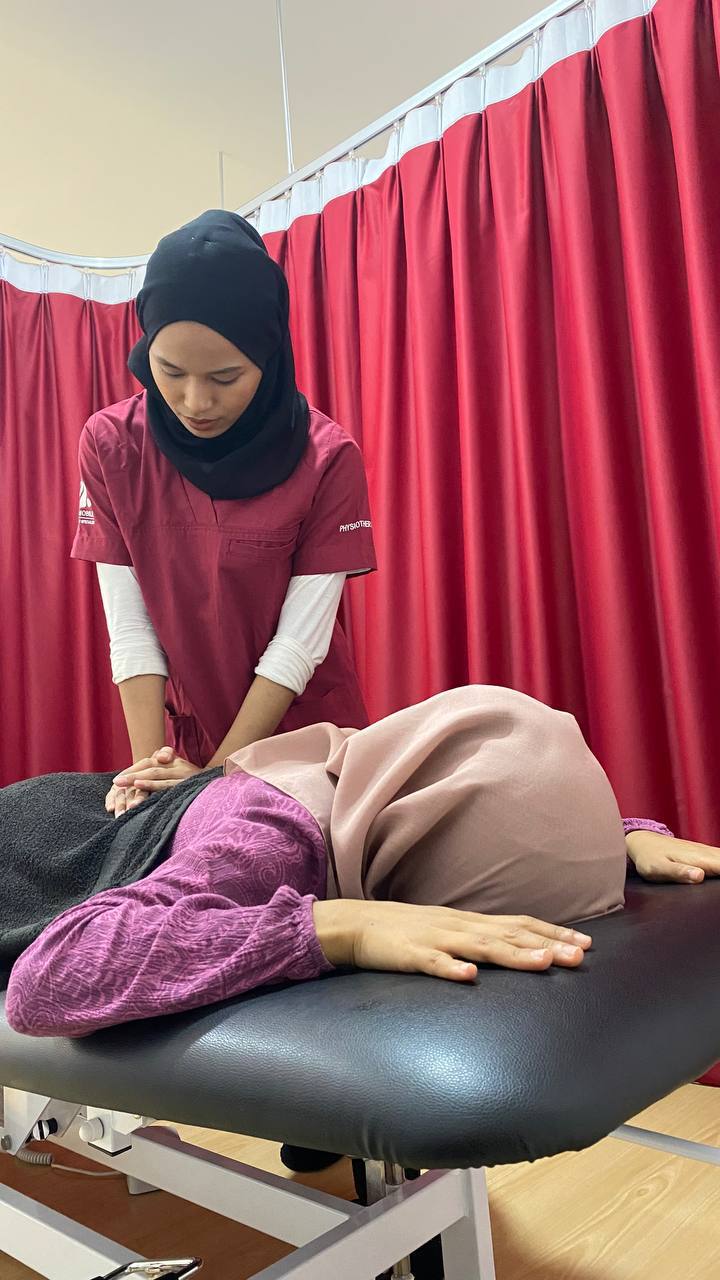
Bagaimana memilih grade? | How do we select the grade?
Pemilihan grade tidak sepatutnya berdasarkan diagnosis sahaja. Fisioterapis perlu mempertimbangkan:
Grade selection should not be based on diagnosis alone. The physiotherapist should consider:
Secara umum, Grade I dan II lebih berkaitan dengan pengurusan simptom. Grade III dan IV lebih kerap dipertimbangkan apabila kekakuan dan keterbatasan pergerakan ialah sasaran utama.[1]
In general, Grades I and II are more closely associated with symptom management. Grades III and IV are more commonly considered when stiffness and limited movement are the primary targets.[1]

Prinsip utama: Assess, Treat, Reassess
Assess
Pilih penanda klinikal yang relevan sebelum rawatan, seperti pain, ROM, movement quality atau aktiviti berfungsi.
Select a relevant marker before treatment, such as pain, ROM, movement quality or a functional activity.
Treat
Gunakan teknik dan grade yang sesuai dengan hipotesis klinikal, tahap irritability, keselamatan dan keselesaan pesakit.
Use a technique and grade consistent with the clinical hypothesis, irritability, safety and patient comfort.
Reassess
Nilai semula penanda yang sama. Perubahan yang bermakna membantu menentukan sama ada perlu meneruskan, mengubah atau menghentikan teknik.
Recheck the same marker. Meaningful change helps determine whether to continue, modify or stop the technique.
Contoh penanda: tahap kesakitan, julat pergerakan, kualiti pergerakan, berjalan, membongkok atau mengangkat tangan. Jika tiada perubahan bermakna, teknik, grade, dos atau keseluruhan pelan rawatan perlu dipertimbangkan semula.
Examples include pain level, range, movement quality, walking, bending or raising the arm. If there is no meaningful change, reconsider the technique, grade, dosage or overall treatment plan.
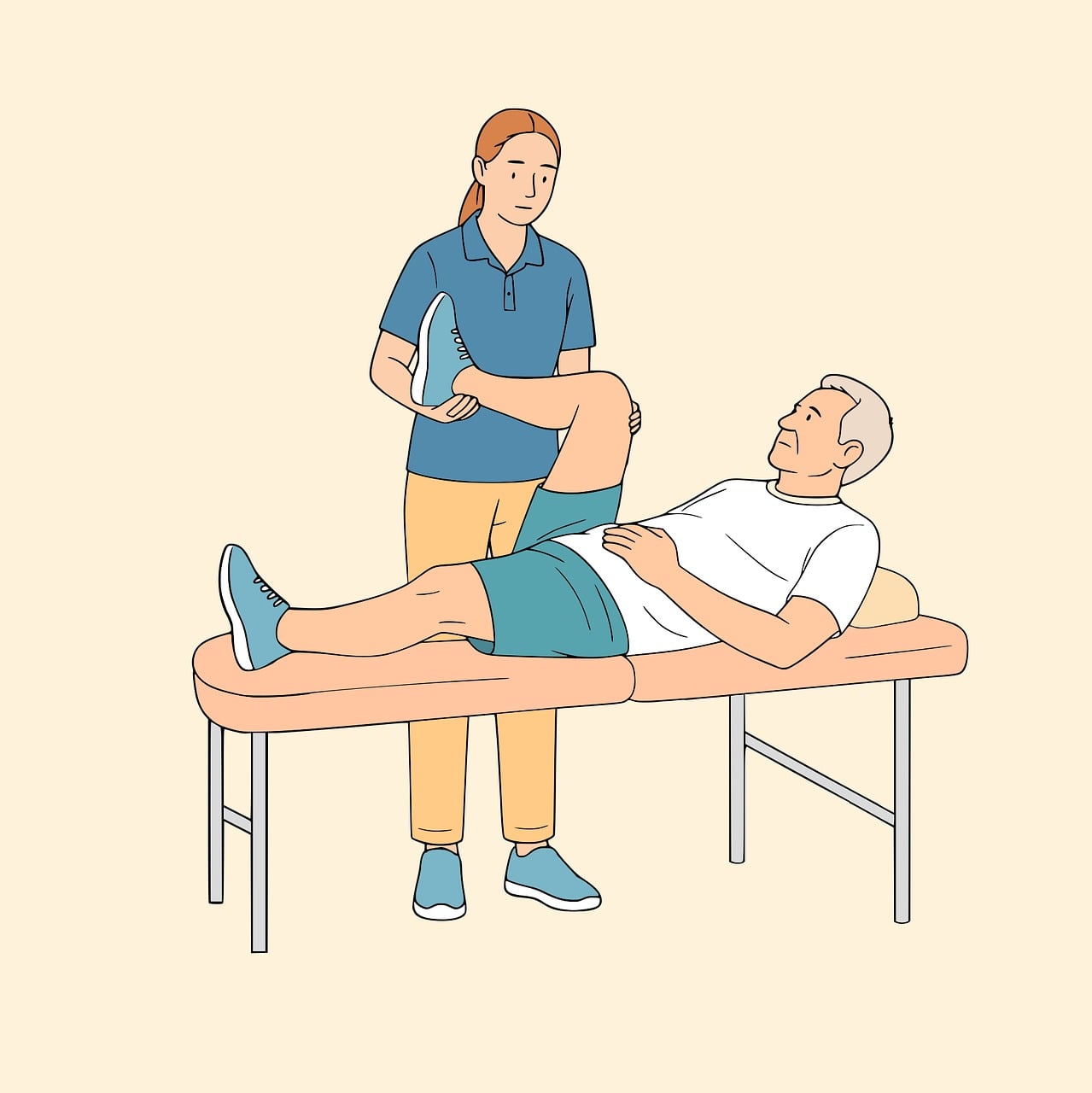
Manual Therapy Bukan Rawatan Tunggal | Manual Therapy Is Not a Standalone Treatment
Mobilisasi Maitland lebih sesuai digunakan sebagai sebahagian daripada program rehabilitasi menyeluruh. Rawatan mungkin turut merangkumi pendidikan pesakit, senaman mobiliti, latihan kekuatan, pengurusan beban dan pendedahan berperingkat kepada aktiviti harian.
Maitland Mobilisation is best used within a comprehensive rehabilitation programme. Care may also include patient education, mobility exercise, strengthening, load management and graded exposure to daily activities.
Manual therapy boleh menyediakan peluang untuk pesakit bergerak dengan lebih selesa. Perubahan tersebut kemudiannya perlu disokong melalui active rehabilitation. Evidence klinikal bagi manual therapy berbeza mengikut kondisi; contoh garis panduan low back pain menunjukkan hasil yang bercampur dan menempatkan mobilisasi dalam pendekatan multimodal, bukan sebagai formula universal.[3]
Manual therapy may create an opportunity for more comfortable movement, which should then be supported through active rehabilitation. Evidence varies by condition; for example, a low-back-pain guideline reports mixed findings and places mobilisation within multimodal care rather than a universal formula.[3]

Keselamatan Klinikal | Clinical Safety
Sebelum menggunakan mobilisasi, lengkapkan penilaian yang sesuai dan saring red flags, contraindications serta precautions. Jangan teruskan jika simptom bertambah teruk secara signifikan, berlaku perubahan neurologi atau penemuan memerlukan pemeriksaan perubatan lanjut.
Before mobilisation, complete an appropriate assessment and screen for red flags, contraindications and precautions. Do not continue if symptoms significantly worsen, neurological changes appear or findings indicate a need for further medical assessment.
Untuk intervensi pada cervical spine, pertimbangkan risiko vaskular dan gunakan clinical reasoning serta referral yang sesuai. IFOMPT Cervical Framework menekankan patient interview, focused examination dan appropriate treatment/referral sebelum orthopaedic manual therapy.[2]
For cervical interventions, consider vascular risk and use appropriate clinical reasoning and referral. The IFOMPT Cervical Framework emphasises patient interview, focused examination and appropriate treatment/referral before orthopaedic manual therapy.[2]
Kesimpulan | Conclusion
Maitland Mobilisation bukan formula tetap untuk setiap diagnosis. Ia memerlukan penilaian, pemilihan grade yang sesuai dan penilaian semula terhadap respons pesakit.
Maitland Mobilisation is not a fixed formula for every diagnosis. It requires assessment, appropriate grade selection and reassessment of the patient’s response.
Partner Physiomobile perlu memahami bukan sahaja cara melakukan teknik, tetapi juga bila ia sesuai digunakan, bila perlu diubah dan bila ia tidak patut dilakukan.
Physiomobile Partners should understand not only how to perform the technique, but also when it is appropriate, when it should be modified and when it should not be performed.
References and learning sources
- Physiopedia: Maitland’s Mobilisations
- Translating the International IFOMPT Cervical Framework into a clinical flowchart
- JOSPT Clinical Practice Guideline: Interventions for the Management of Acute and Chronic Low Back Pain, Revision 2021
Professional education disclaimer
Artikel ini bertujuan untuk pendidikan profesional dan tidak menggantikan latihan praktikal, penyeliaan klinikal, clinical judgement, informed consent atau penilaian individu. Gunakan hanya teknik yang berada dalam kompetensi dan skop amalan anda.
This article is intended for professional education. It does not replace practical training, clinical supervision, clinical judgement, informed consent or individual assessment. Use only techniques within your competency and scope of practice.

