
OUR SERVICES
Physiomobile provides physiotherapy and rehabilitation support at selected centres, at home and for organisations. The right setting depends on your health status, mobility, goals, travel tolerance, home environment and the type of assessment or equipment required.
Physiotherapy is not one fixed treatment. A physiotherapist first considers your symptoms, medical history, daily activities and functional goals, then discusses an appropriate plan. The plan may include guided movement, exercise, education, activity modification, hands-on techniques or referral back to a doctor when further medical assessment is needed.
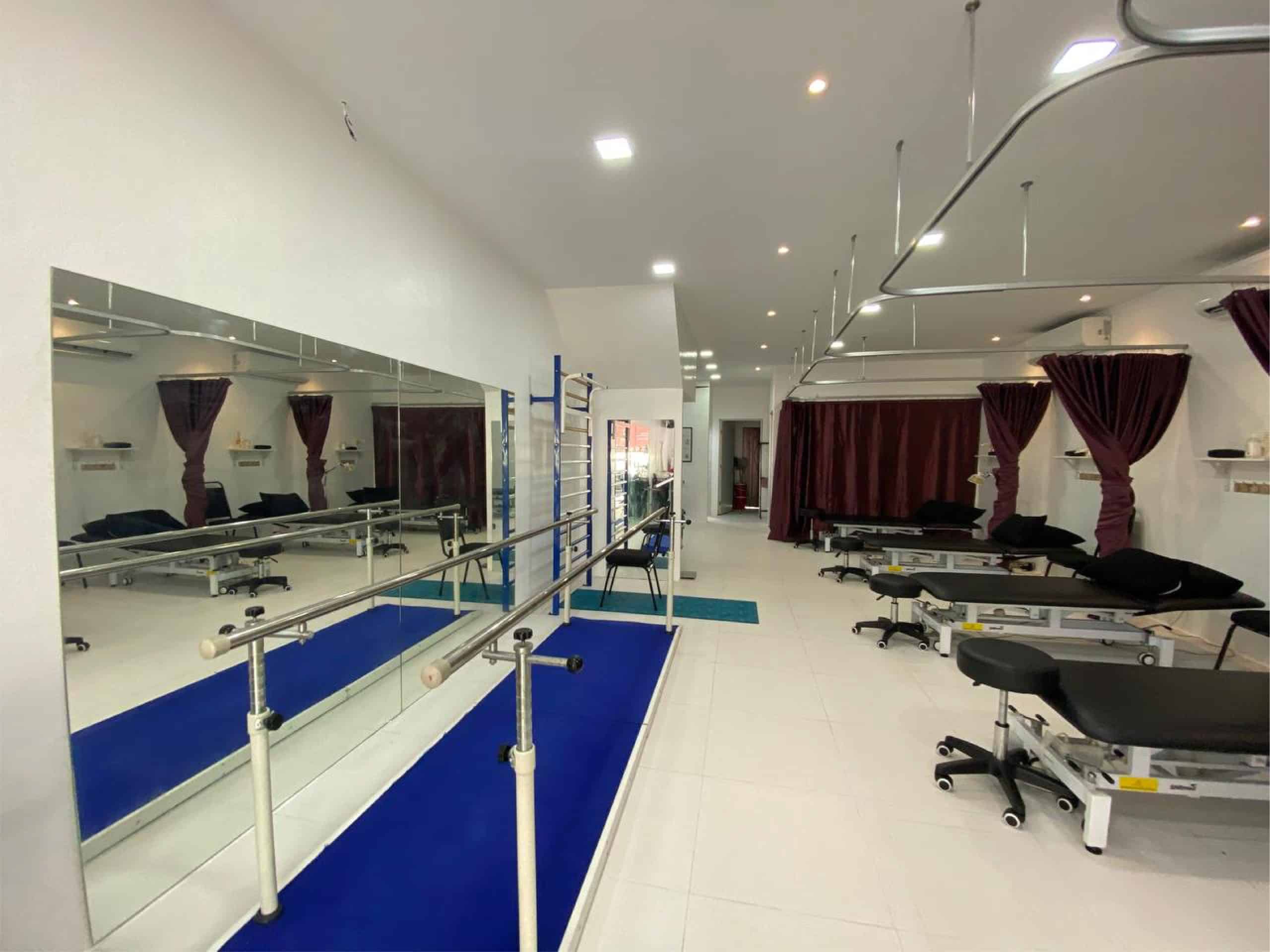
Choose a service setting that fits your needs
Physiotherapy at a centre
Centre-based care offers a clinical environment for assessment, supervised exercise and equipment-assisted rehabilitation where appropriate. It may be practical when you can travel safely and prefer scheduled sessions outside the home.
Physiotherapy at home
Housecall sessions may help when travel is difficult or when goals involve real home tasks such as getting out of bed, transferring to a chair, walking indoors or helping a caregiver support daily mobility.
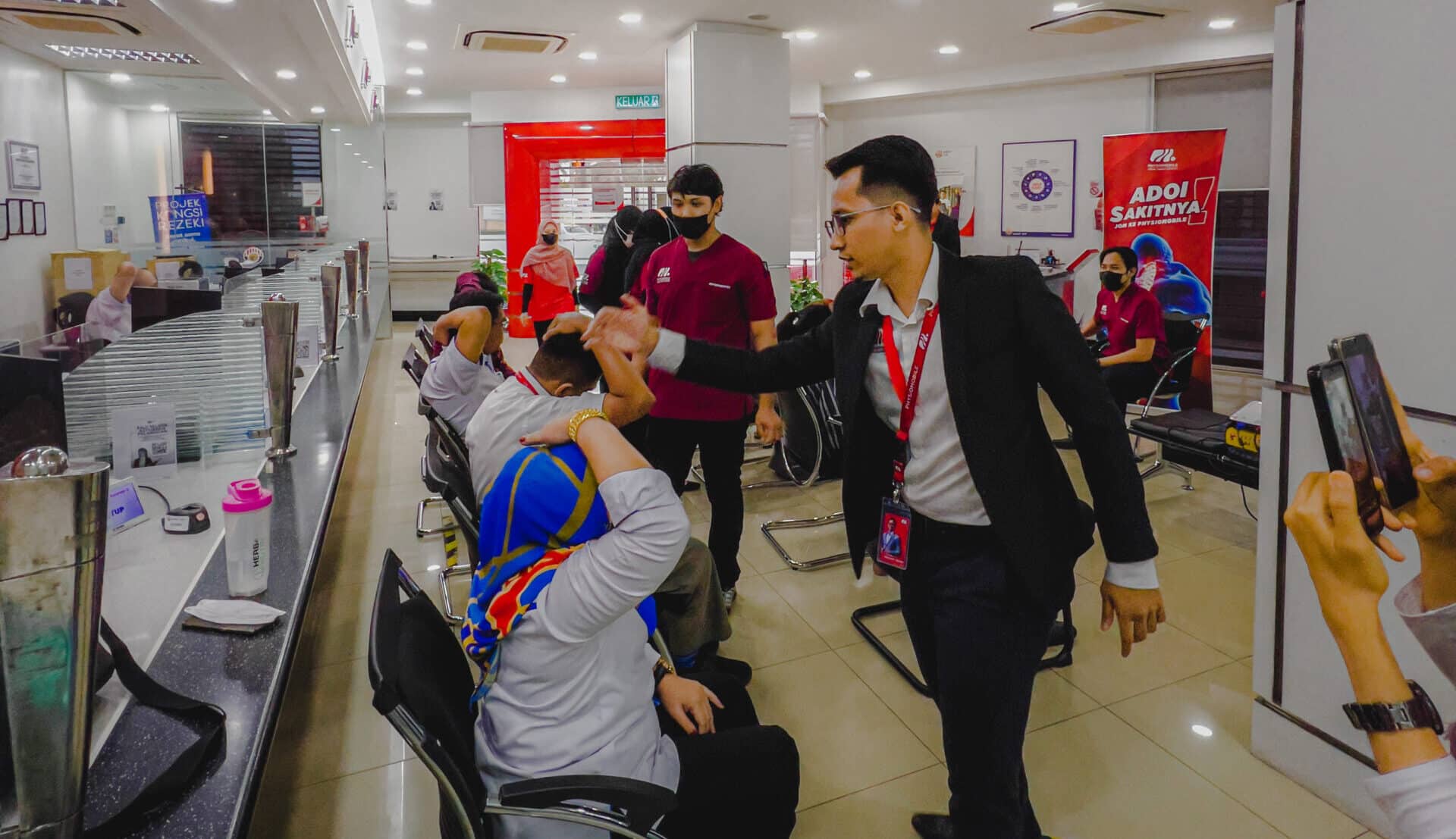
Corporate physiotherapy
Organisations may request workplace programmes such as on-site physiotherapy, ergonomic education or health talks. Scope, staffing, privacy arrangements and programme objectives should be agreed before delivery.
Rehabilitation across life stages
Physiomobile supports rehabilitation needs involving older adults, neurological conditions, stroke recovery, sports and musculoskeletal concerns. Occupational therapy, speech therapy and audiology support may also be coordinated where available and clinically appropriate.

Who may consider physiotherapy?
People may seek physiotherapy after an injury, illness, surgery or a change in movement and function. It may also be considered for persistent muscle or joint symptoms, reduced balance, mobility changes after stroke or another neurological condition, deconditioning after hospital care, difficulty returning to sport, or age-related changes affecting daily activity.
The World Health Organization describes rehabilitation as interventions designed to optimise functioning and reduce disability in interaction with a person’s environment. It also notes that rehabilitation can be delivered in outpatient practices, homes, schools and workplaces. Read the WHO rehabilitation overview.
Suitability cannot be confirmed from a webpage. Some people need medical diagnosis, imaging, medication review, wound care or specialist management before, or alongside, physiotherapy. Physiomobile does not replace emergency care or the medical team responsible for your condition.

What to expect at the first appointment
The first visit normally begins with questions about the main concern, relevant medical history, recent surgery or hospital care, current symptoms, medications, falls, mobility aids, work or home demands and the activities you want to improve. Please bring referral letters, discharge notes or precautions from your medical team when available.
The physical assessment may include observation of movement, joint range, strength, balance, walking, transfers, activity tolerance or task-specific performance. Only relevant tests should be used, and you can ask why a test or technique is proposed. NHS patient guidance similarly explains that physiotherapists may ask about symptoms, medical history and lifestyle, then assess areas such as strength and balance. Read the NHS physiotherapy guide.
After assessment, the physiotherapist should explain the findings within their scope, agree practical goals and discuss suitable options. Progress and session frequency vary between individuals. No ethical service should promise a fixed recovery time or guaranteed result.

How to prepare
- Share relevant diagnoses, precautions, recent procedures and changes in symptoms.
- Wear comfortable clothing that allows safe observation and movement.
- Bring the walking aid, brace or equipment you normally use.
- For home visits, keep the usual movement area clear and ask a caregiver to attend when their support is part of the goal.
- For corporate enquiries, prepare the workforce need, preferred format, site requirements and privacy expectations.
If there is chest pain, severe breathing difficulty, fainting, sudden facial droop or speech difficulty, sudden new weakness, serious trauma, uncontrolled bleeding, a rapidly worsening condition, or new loss of bladder or bowel control, use the appropriate emergency medical service. Do not wait for a routine physiotherapy appointment.
Frequently asked questions
Do I need a doctor’s referral?
Requirements depend on your condition, recent procedures and the service requested. A referral may not always be necessary, but medical clearance or specialist instructions may be important after surgery, serious illness, significant trauma or when red flags are present.
Should I choose home or centre physiotherapy?
Home sessions may be practical when travel is difficult or the goals involve home tasks and caregiver support. Centre sessions may suit people who can travel safely and need a clinical space or equipment. The team can help review the practical options, but clinical suitability still needs assessment.
How many sessions will I need?
There is no responsible fixed answer before assessment. Frequency and duration depend on the condition, goals, response, safety, home practice and coordination with other healthcare providers.
Can physiotherapy replace medical care or surgery?
No. Physiotherapy can complement medical and surgical care, but it does not replace diagnosis, medication management, imaging, emergency treatment or specialist decisions. Your providers should coordinate when several services are involved.
Talk to Physiomobile
Tell us whether you are looking for centre, home or corporate physiotherapy, your general location, the main functional concern and any recent medical instructions. The team can then confirm the appropriate next step, service availability and booking route without promising clinical suitability before assessment.
Healthcare disclaimer: This page provides general education and service information, not a diagnosis or an individual treatment prescription. Seek qualified medical assessment for new, severe or worsening symptoms.
