
COVID-19 and respiratory infection prevention
Take steps to protect yourself
If you have cough, fever, sore throat, unusual tiredness or other respiratory symptoms, stay away from close contact where possible, inform your healthcare or rehabilitation team before attending, and follow current advice from Malaysian health authorities. Simple measures such as cleaner air, hand hygiene, cough etiquette and sensible mask use can help reduce spread, especially around older adults and people with health vulnerabilities.
This page provides general prevention guidance for people attending physiotherapy, family caregivers and household members. It does not confirm whether you have COVID-19 or another infection, and it does not replace medical assessment.
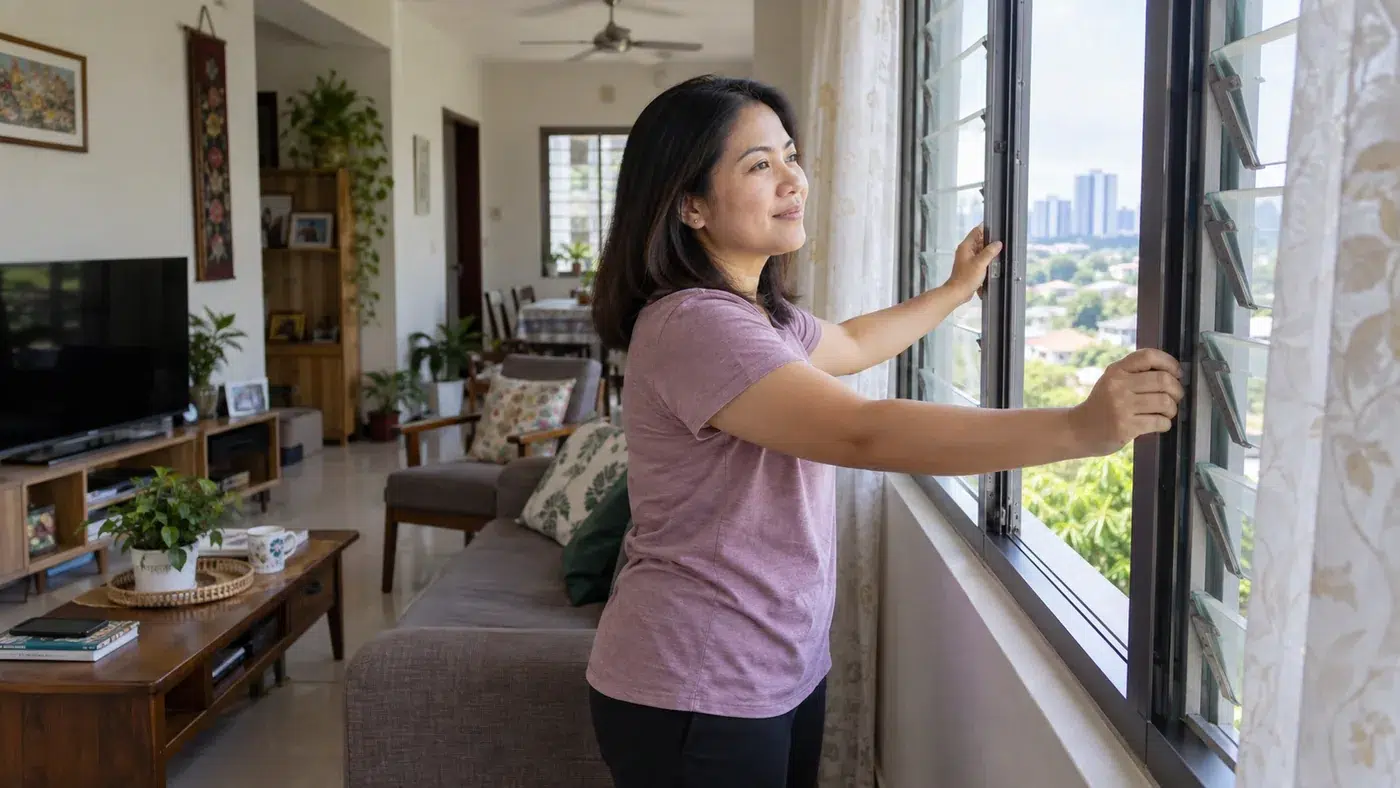
Five practical ways to reduce respiratory infection risk
1. Improve indoor air
Open windows or doors when practical and safe, and avoid spending long periods in crowded, poorly ventilated rooms. Ventilation is one layer of protection, not a substitute for staying home when unwell.
2. Clean your hands
Wash with soap and water, especially after coughing, sneezing, using shared equipment or returning from public places. If soap and water are unavailable, use an appropriate hand sanitiser.
3. Cover coughs and sneezes
Use a tissue or your bent elbow, dispose of the tissue safely and clean your hands afterwards. Avoid coughing or sneezing into your hands.
4. Use masks sensibly
A well-fitted mask may add protection in crowded indoor settings, during outbreaks, or when advised by healthcare or public-health authorities. Choose the type and use based on current local guidance and personal risk.

5. Stay home and contact the right team when unwell
Do not attend a centre or home session without notice if you have new respiratory symptoms. Contact the service before the appointment so the team can advise whether the session should be rescheduled or reviewed. The World Health Organization advises people to keep up with current information from trusted national and local health authorities and to seek medical attention promptly for concerning symptoms. Read WHO advice for the public.

Planning physiotherapy safely after illness
After an infection, some people return to their usual activity quickly while others notice reduced stamina, weakness, breathlessness or difficulty managing daily tasks. These symptoms have many possible causes and should not be self-diagnosed. A physiotherapy assessment may be considered after appropriate medical review or clearance when movement, exercise tolerance, balance or daily function has been affected.
A first assessment should clarify your recent health history, current symptoms, medication or medical instructions already provided, mobility at home and the activities you want to resume. The physiotherapist may review safe movement and function, then explain whether physiotherapy is suitable, whether the programme needs modification, or whether further medical input is required. Physiotherapy does not replace diagnosis, emergency care or management by a doctor.
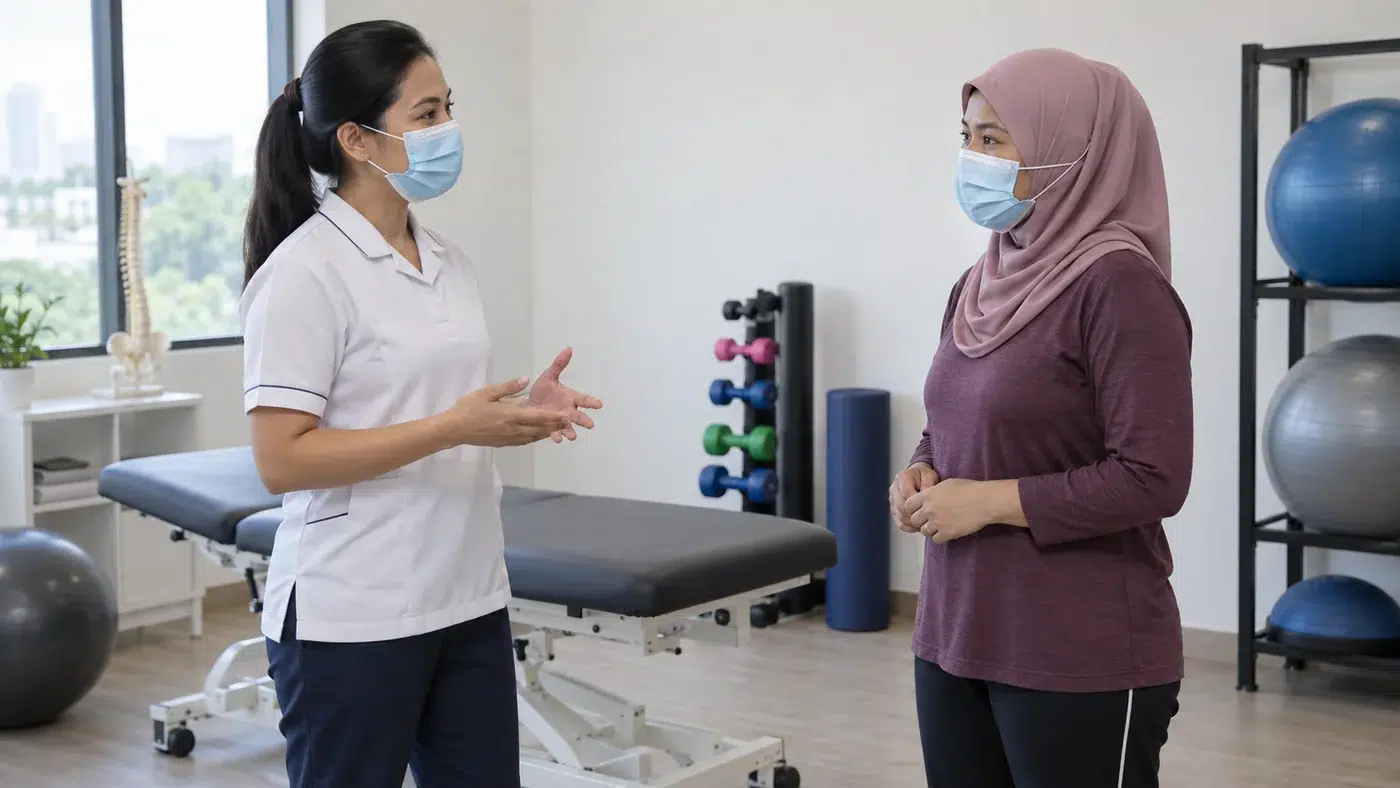
Before a centre or home appointment
- Tell the team about recent fever, cough, breathing difficulty, a positive test or close exposure.
- Follow any medical advice and isolation requirements that apply to you.
- Prepare an updated medication list and relevant discharge or medical notes, without stopping or changing medication on your own.
- Ask household members with symptoms to avoid the treatment area during a home visit.
- Keep the space ventilated where practical and allow access to handwashing facilities.
NHS guidance says respiratory tract infections often spread through coughs and sneezes and recommends covering coughs or sneezes, washing hands regularly and disposing of used tissues promptly. Review NHS guidance on respiratory tract infections. Malaysian requirements may differ, so follow current local instructions first.

Get urgent assessment for severe or worsening breathing difficulty, chest pain or pressure, new confusion, fainting, bluish or grey lips or skin, inability to stay awake, or any symptom that feels like an emergency. Do not wait for a physiotherapy appointment.
Why consider an early functional assessment?
If symptoms continue to affect walking, transfers, balance, exercise tolerance or caregiver workload after the acute illness has been medically addressed, an early functional assessment can reduce uncertainty and help clarify the next appropriate step. This does not mean everyone needs physiotherapy. It means suitability and safety can be reviewed before problems interfere further with daily life.
Physiomobile has been established since 2016, has helped more than 45,000 patients and delivered more than 120,000 treatment-session hours, supported by around 150 qualified and experienced physiotherapists. These figures describe service experience and do not guarantee an individual outcome.
Depending on assessment and coverage, suitable care may be considered at a centre or through physiotherapy at home. You can also review Physiomobile’s cardiorespiratory rehabilitation information. Medical clearance and clinical suitability may be required.
Frequently asked questions
Should I attend physiotherapy if I have a cough or fever?
Contact the team before attending. Depending on your symptoms, current public-health requirements and clinical need, the appointment may need to be rescheduled or reviewed. Seek medical advice for worsening or concerning symptoms.
Can physiotherapy treat COVID-19?
Physiotherapy does not diagnose or cure COVID-19. After medical assessment, it may be considered for selected functional problems such as reduced mobility, weakness or exercise tolerance, subject to individual suitability and safety.
Is home physiotherapy automatically safer than a centre visit?
No. The safest setting depends on symptoms, medical risk, the home environment, infection-control needs, therapist availability and the goals of care. Discuss the situation before booking.
When should I seek emergency care instead of physiotherapy?
Seek urgent medical help for severe breathing difficulty, chest pain or pressure, new confusion, fainting, bluish or grey lips or skin, inability to stay awake, or another suspected emergency.
Discuss the safest next step
If illness or reduced mobility is disrupting daily activities, contact Physiomobile for an initial discussion. Early assessment can help clarify suitability and guide caregivers, but it should not delay urgent medical care.
Appointment slots depend on physiotherapist availability, location and preferred time. Booking earlier may help secure a suitable slot.
Disclaimer: This information is for general education and is not a diagnosis, prescription or substitute for advice from a qualified medical professional. Guidance can change; follow current Malaysian health-authority instructions.
