Understanding Osteoporosis: A Comprehensive Guide for Malaysians
Osteoporosis, often called the “silent disease,” affects millions of people worldwide, and Malaysia is no exception. As our population ages and lifestyle patterns shift, understanding this bone-weakening condition has become increasingly important for Malaysians of all ages. This comprehensive guide will help you understand osteoporosis, its risk factors, prevention strategies, and treatment options available in Malaysia.
What is Osteoporosis?
Osteoporosis is a medical condition characterized by weakened bones that become fragile and prone to fractures. The name literally means “porous bones” – imagine your bones developing tiny holes like a sponge, making them less dense and more likely to break. While bones naturally lose density as we age, osteoporosis accelerates this process significantly.
In healthy bones, old bone tissue is continuously replaced by new tissue through a process called bone remodeling. However, when you have osteoporosis, bone loss occurs faster than new bone formation, resulting in a net loss of bone mass and strength. This imbalance makes even minor falls or bumps potentially dangerous, sometimes leading to fractures from activities as simple as coughing or bending over.
The Growing Concern in Malaysia
Recent studies suggest that osteoporosis is becoming a significant health concern in Malaysia. According to the Malaysian Osteoporosis Society, approximately one in five Malaysian women over 50 has osteoporosis, while one in four men in the same age group is affected. These numbers are expected to rise as Malaysia’s population continues to age, with life expectancy increasing and birth rates declining.
The Malaysian healthcare system faces growing challenges in managing osteoporosis-related fractures, particularly hip fractures, which often require hospitalization, surgery, and extended rehabilitation. The economic burden includes not only direct medical costs but also indirect costs related to lost productivity and the need for long-term care.
Risk Factors Specific to Malaysians
Several factors make Malaysians particularly susceptible to osteoporosis. Understanding these risk factors can help you assess your personal risk and take preventive action.
- Age and Gender: Women are at higher risk than men, especially after menopause when estrogen levels drop significantly. Malaysian women typically experience menopause between ages 48–52, marking a critical period for bone health management.
- Ethnicity: Asian populations, including Malaysians, tend to have lower peak bone mass compared to Western populations. This can increase vulnerability later in life.
- Dietary Habits: Many Malaysians (including lactose-intolerant individuals or those avoiding dairy) may struggle to meet daily calcium needs through diet alone.
- Sunlight Exposure: Despite Malaysia’s sunshine, vitamin D deficiency can still happen due to indoor lifestyles, extensive covering outdoors, or consistent high-SPF use.
- Sedentary Lifestyle: Long hours sitting at desks or in cars reduces weight-bearing activity that helps maintain bone strength.
- Medical Conditions: Diabetes, thyroid disorders, and chronic kidney disease can increase osteoporosis risk.
Recognizing the Warning Signs
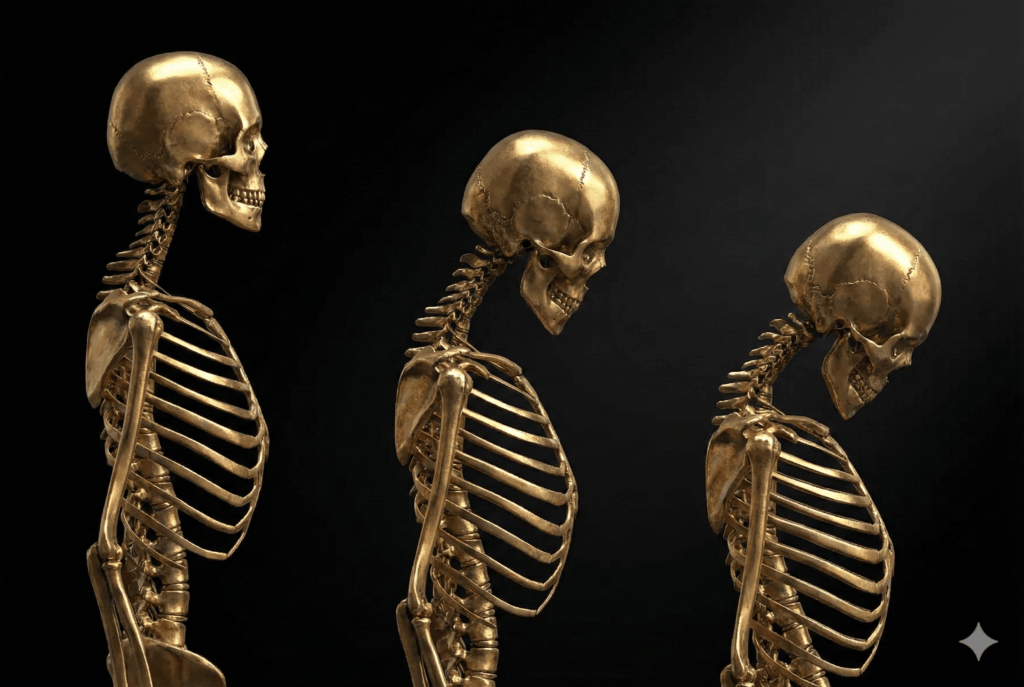
Osteoporosis often progresses silently without obvious symptoms until a fracture occurs. However, some warning signs include gradual loss of height, a stooped posture or developing a forward curve in the upper back (dowager’s hump), sudden back pain, and bones that break more easily than expected.
If you notice any of these signs, it’s crucial to consult with healthcare professionals immediately. Early detection through bone density scanning can help prevent serious fractures and complications.
Prevention Strategies for Malaysians
The good news is that osteoporosis is largely preventable with the right lifestyle choices and interventions. Here are evidence-based strategies tailored for Malaysians:
Calcium-Rich Diet
Aim for 1,000–1,200 mg of calcium daily. While dairy products are excellent sources, lactose-intolerant Malaysians can obtain calcium from ikan bilis (anchovies), tofu, tempeh, dark leafy vegetables like choy sum and kailan, calcium-fortified soy milk and orange juice, and seeds like sesame seeds used in kuih.
Vitamin D Optimization
Get 15–20 minutes of sunlight exposure on your arms and legs several times weekly, preferably before 10 AM or after 4 PM. Consider vitamin D supplements if your levels are low, particularly if you spend most of your time indoors.
Regular Exercise
Weight-bearing exercises like walking, jogging, tai chi, dancing, and hiking help build and maintain bone density. Resistance training with weights or resistance bands strengthens both bones and muscles. Balance exercises reduce fall risk, which is especially important for older adults.
Lifestyle Modifications
Avoid smoking, limit alcohol intake, and moderate caffeine—these habits can affect bone density and calcium absorption over time.
Treatment Options Available in Malaysia
If you’re diagnosed with osteoporosis, several treatment options are available in Malaysian healthcare facilities, both public and private.
Medications
Bisphosphonates are commonly prescribed to slow bone loss. Hormone replacement therapy may be considered for some postmenopausal women, while other options include selective estrogen receptor modulators (SERMs) and medications that stimulate bone formation. Your doctor will advise based on your risk profile and medical history.
Nutritional Supplements
Calcium and vitamin D supplements may be recommended to ensure adequate intake, particularly if dietary sources are insufficient.
Physiotherapy and Rehabilitation
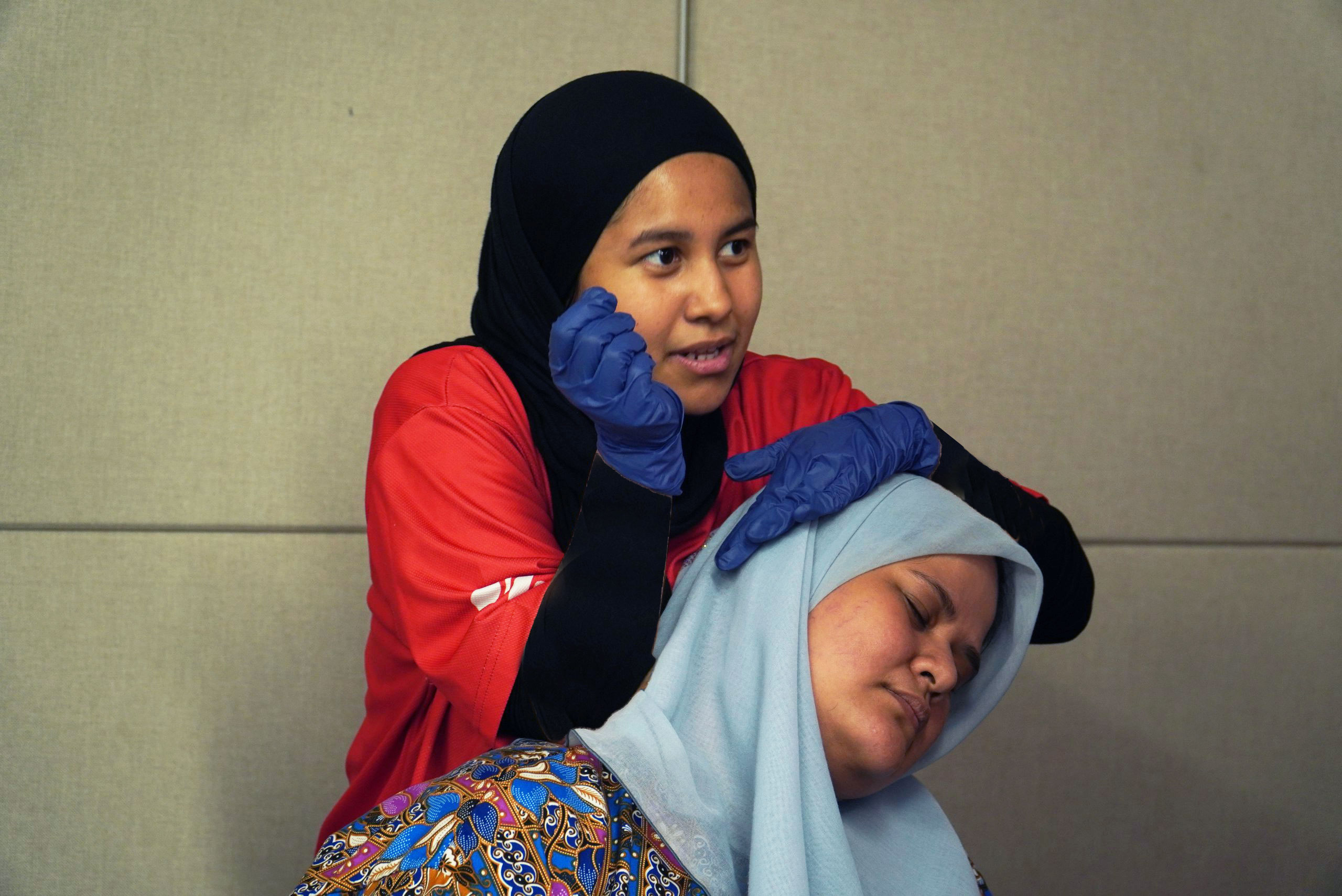
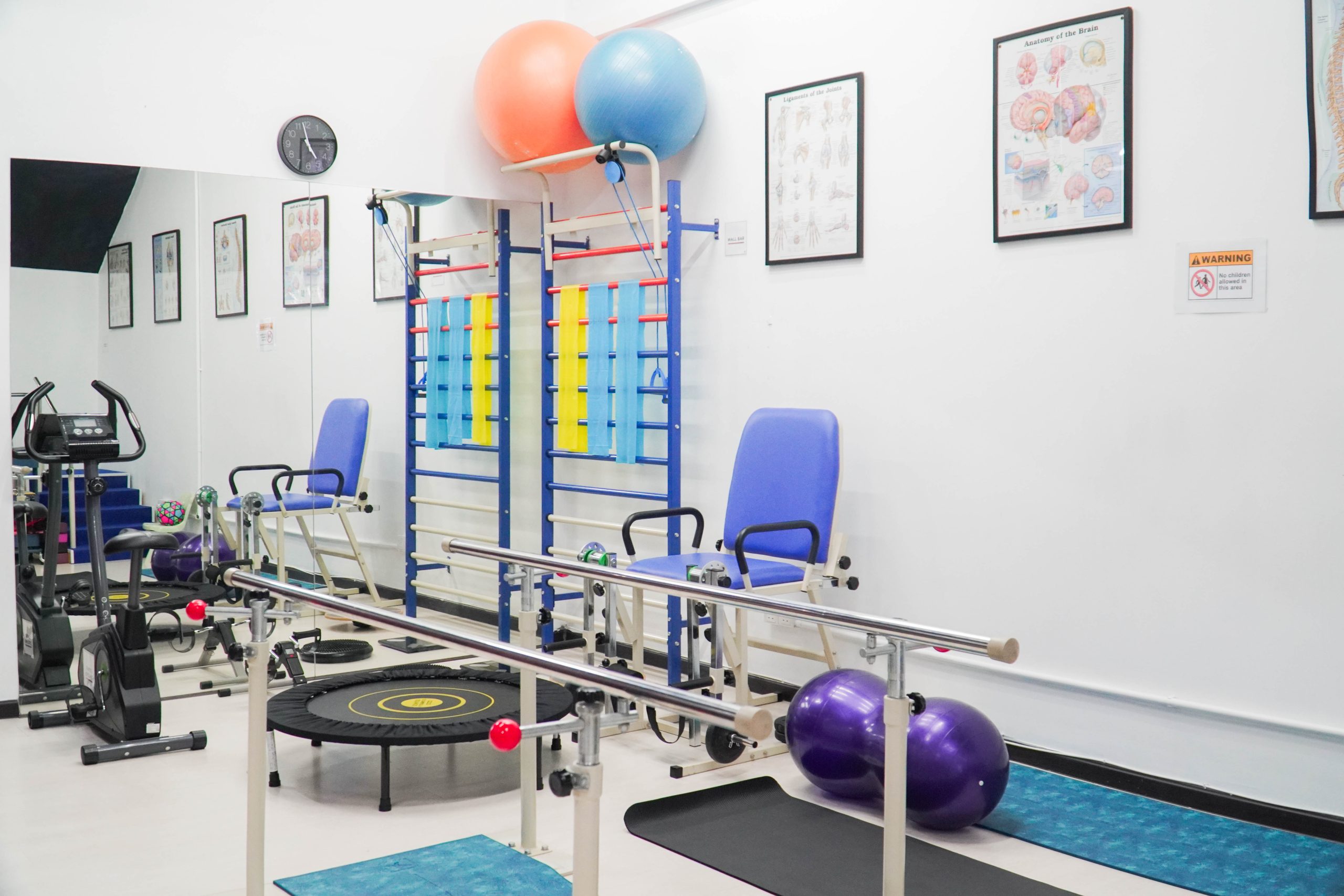
Physiotherapy plays a crucial role in osteoporosis management by improving balance and coordination, strengthening muscles that support bones, teaching safe movement techniques to prevent falls, and developing personalized exercise programs appropriate for your bone density and fitness level.
- Prefer clinic-based rehab? Physiotherapy Centre-Based Sessions
- Prefer convenience and reduced travel risk? Physiotherapy at Home (Housecall)
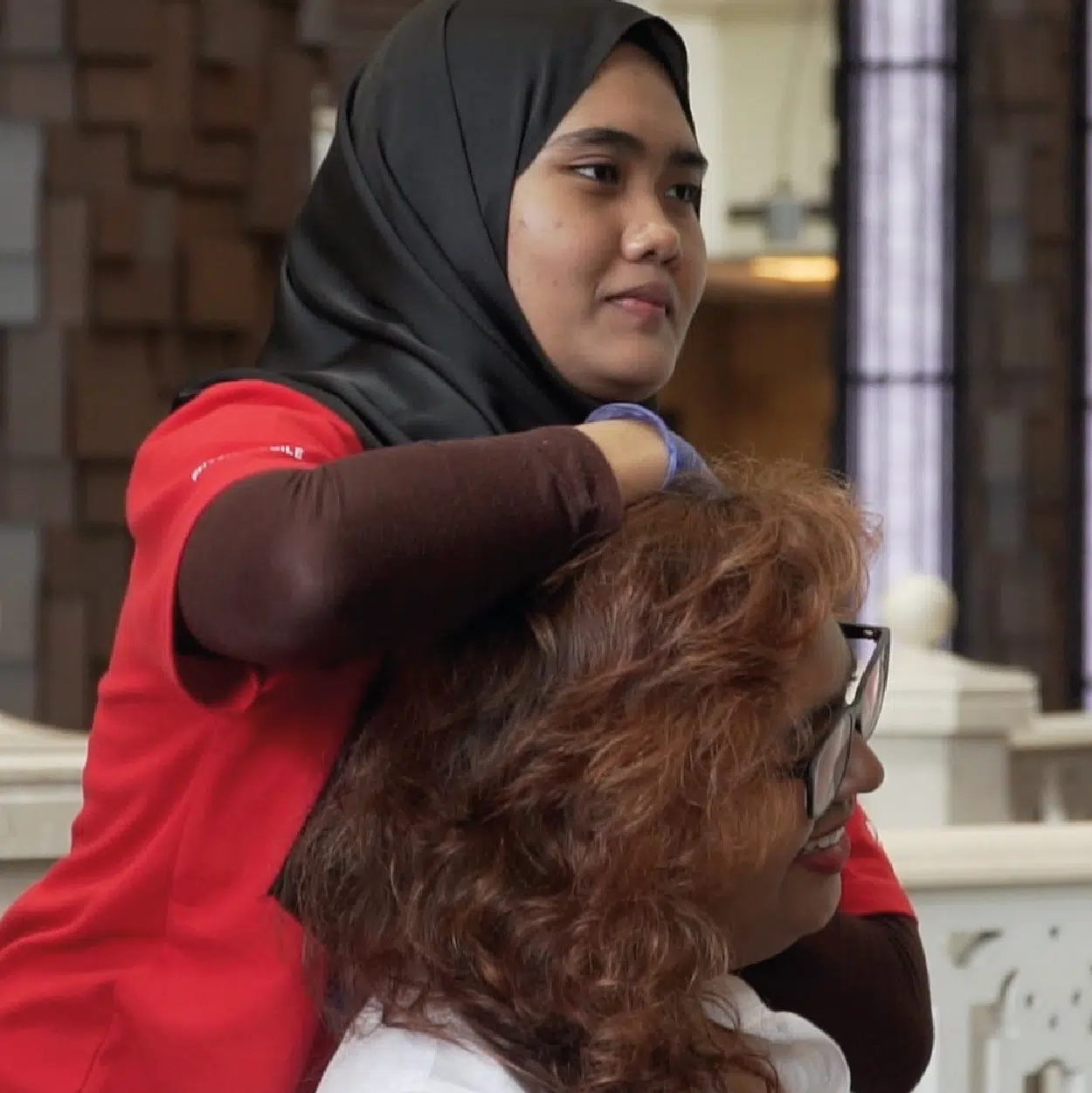
For Malaysians seeking convenient and professional physiotherapy services, Physiomobile offers specialized home-based physiotherapy that’s particularly beneficial for osteoporosis patients. Having a physiotherapist come to your home can reduce the risk of falls during travel, enables home environment assessment (to reduce hazards), and ensures personalized one-on-one attention.
Professional physiotherapy is essential because osteoporosis patients need carefully designed exercise programs that strengthen bones without increasing fracture risk. A qualified physiotherapist can assess your condition, prescribe safe exercise progressions, monitor your response, and adjust your program as you regain strength and confidence.
Living Well with Osteoporosis
An osteoporosis diagnosis doesn’t mean giving up an active, independent life. With proper management, many people continue to enjoy fulfilling activities while minimizing fracture risk.
Home Safety
- Remove tripping hazards like loose rugs and clutter
- Install grab bars in bathrooms and ensure good lighting
- Use non-slip mats in bathrooms and kitchens
- Keep frequently used items within easy reach
Fall Prevention
- Wear sturdy, flat shoes with good support
- Be cautious on wet or uneven surfaces
- Use assistive devices (if recommended)
- Check vision regularly
Stay Socially Connected
Stay mentally and physically active through community activities or support groups. Many Malaysian hospitals and community centers provide programs that support healthier aging.
The Role of Regular Monitoring
Once diagnosed with osteoporosis or identified as high-risk, regular monitoring becomes essential. This often includes bone density scans every one to two years, blood tests (calcium, vitamin D, and related markers), and periodic reviews with your healthcare team to evaluate progress and adjust treatment.
Conclusion
Osteoporosis represents a significant health challenge for Malaysians, but it’s a condition that can be effectively prevented and managed with the right knowledge and interventions. Whether you’re young and focused on building strong bones, middle-aged and working to maintain bone health, or older and managing existing osteoporosis, taking action today can make a substantial difference in your bone health tomorrow.
Remember: bone health is built over a lifetime. The calcium you consume, the exercises you do, and the lifestyle choices you make all contribute to your skeletal strength for decades to come. Don’t wait for a fracture to take bone health seriously.
Why Choose Physiomobile?
- Personalised treatment plans tailored to each patient – at home or at our centres
- Experienced physiotherapy services since 2016
- More than 45,000 patients successfully treated
- Open daily & 100% sessions conducted by licensed physiotherapists
- Registered panel with major TPA providers: PMCare, Compumed, MedKad, ASP, and SelCare
- Network of 170+ professional physiotherapists across Peninsular Malaysia
- High customer satisfaction – over 80% repeat visits or family referrals
Disclaimer: This content is for educational purposes only and does not replace professional medical advice. Please consult a healthcare professional for diagnosis or treatment.
Note: This article is for general education and does not replace medical advice. If you have severe pain, repeated falls, sudden weakness, or suspected fractures, please seek immediate medical attention.